
Blog
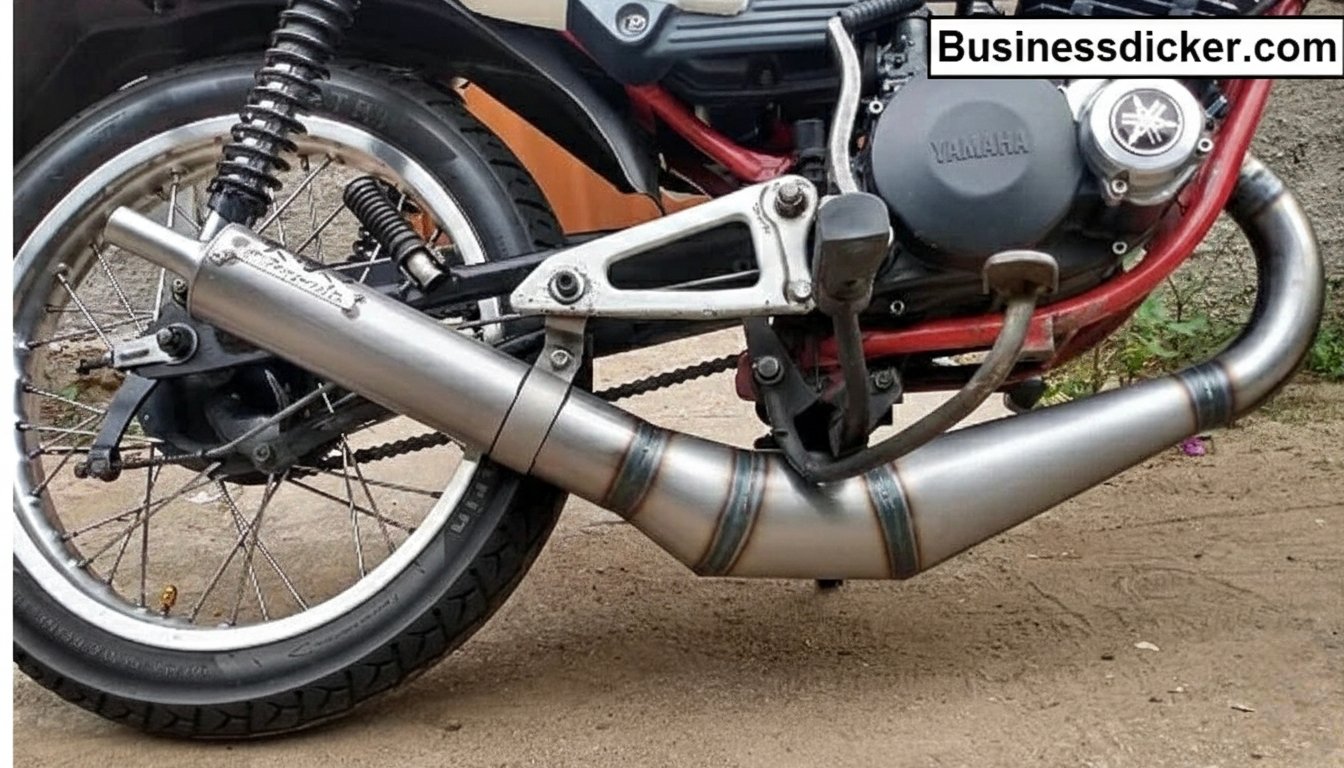
Escapamento RD: Performance, Sound, and Buying Guide Plus

Introduction to Escapamento RD
Escapamento RD has become a recognized name among motorcycle enthusiasts who care deeply about performance, sound quality, and visual appeal. In many riding communities, especially in markets where customization culture is strong, upgrading the exhaust system is one of the first modifications riders consider. Escapamento RD stands out because it balances aggressive styling with engineered performance, making it appealing to both daily riders and performance-focused motorcyclists.
What makes Escapamento RD particularly interesting is how it blends affordability with noticeable gains. Riders are not only chasing louder sound; they are looking for better throttle response, improved airflow, and a system that complements the overall character of the motorcycle. This article explores Escapamento RD in depth, explaining how it works, what benefits it offers, and how to choose the right model for your riding needs.
Will You Check This Article: How Detox IV Drips Cleanse & Recharge Your Body
Understanding What Escapamento RD Is
Escapamento RD refers to a range of aftermarket motorcycle exhaust systems designed to replace or enhance factory-installed exhausts. These systems are typically built with freer-flowing internal designs compared to stock exhausts, which are often restricted to meet strict noise and emission regulations. By reducing back pressure, Escapamento RD allows the engine to breathe more efficiently.
Unlike generic exhaust options, Escapamento RD systems are often tailored for specific motorcycle models or engine configurations. This model-specific approach helps ensure better fitment, optimized performance, and a cleaner installation process. Riders benefit from an exhaust that feels like a natural extension of the bike rather than an awkward add-on.
Performance Benefits of Escapamento RD
One of the main reasons riders choose Escapamento RD is performance improvement. A well-designed exhaust can improve exhaust gas flow, which directly affects engine efficiency. When gases exit the combustion chamber more smoothly, the engine can draw in fresh air-fuel mixture more effectively during the next cycle.
Many riders report noticeable gains in throttle response after installing Escapamento RD. Acceleration feels sharper, especially in low- to mid-range RPMs, which is where street motorcycles spend most of their time. While peak horsepower gains may vary depending on the bike and tuning, the overall riding experience often feels more responsive and engaging.
Sound Characteristics and Riding Experience
Sound is a defining feature of any exhaust upgrade, and Escapamento RD is known for producing a deep, sporty tone without being excessively harsh. Instead of a thin or raspy sound, these exhausts aim for a balanced exhaust note that enhances the motorcycle’s presence on the road.
For many riders, the improved sound is not just about volume but about feedback. A richer exhaust note can make riding more immersive, helping the rider feel more connected to the machine. Escapamento RD systems are often designed to maintain a comfortable cruising sound while delivering a more aggressive tone under acceleration.
Build Quality and Materials Used
The durability of an exhaust system is critical, especially for riders who use their motorcycles daily or ride in varying weather conditions. Escapamento RD typically uses materials such as stainless steel or coated metals that resist corrosion and heat damage. These materials help extend the life of the exhaust while maintaining its appearance.
Welding quality and finishing also play a significant role in long-term reliability. Smooth welds and well-finished joints reduce the risk of leaks and cracks over time. For riders, this translates into fewer maintenance concerns and more confidence in the exhaust’s performance.
Visual Impact and Motorcycle Aesthetics
Beyond performance and sound, Escapamento RD contributes significantly to the visual identity of a motorcycle. A sleek exhaust can transform the overall look of the bike, making it appear more aggressive, modern, or race-inspired. Many riders choose Escapamento RD specifically to enhance the bike’s rear profile.
The design language often includes compact mufflers, angled tips, or brushed metal finishes that complement both naked and sport-style motorcycles. This aesthetic upgrade can be just as satisfying as performance gains, especially for riders who value personalization.
Compatibility With Different Motorcycle Types
Escapamento RD systems are commonly available for a wide range of motorcycles, including street bikes, sport bikes, and commuter models. Compatibility depends on engine size, exhaust routing, and mounting points. Choosing the correct model ensures that the exhaust fits properly without requiring major modifications.
Riders should always verify compatibility before purchasing. A properly matched Escapamento RD system helps avoid issues such as improper clearance, excessive vibration, or poor exhaust alignment. This attention to compatibility contributes to a smoother installation and better overall results.
Installation Process and Practical Considerations
Installing an Escapamento RD exhaust can range from a simple bolt-on process to a more involved upgrade, depending on the motorcycle. Many systems are designed for straightforward installation using factory mounting points, making them accessible even for riders with basic mechanical skills.
However, proper installation is essential for safety and performance. Ensuring correct torque, alignment, and gasket placement prevents exhaust leaks and unwanted noise. Some riders also choose professional installation to guarantee optimal fitment and peace of mind.
Fuel Efficiency and Engine Tuning
A common question about aftermarket exhausts is how they affect fuel consumption. Escapamento RD can slightly improve or maintain fuel efficiency when paired with proper tuning, as improved airflow helps the engine operate more efficiently. However, without tuning, changes in air-fuel mixture may occur.
For optimal results, some riders choose to remap the ECU or adjust fuel settings after installing Escapamento RD. This step ensures that the engine fully benefits from the exhaust upgrade while maintaining reliability and smooth operation.
Legal and Noise Regulation Awareness
Noise regulations vary widely by region, and riders should always consider local laws before installing an aftermarket exhaust. Escapamento RD systems may be louder than stock exhausts, which can attract attention in areas with strict enforcement.
Responsible riders often look for models that balance sound enhancement with legal compliance. Being informed about local regulations helps avoid fines and ensures a more positive riding experience for both the rider and the community.
Maintenance and Long-Term Care
Maintaining an Escapamento RD exhaust is generally straightforward. Regular cleaning helps preserve the finish and prevents buildup of dirt or road grime. Inspecting mounting points and connections periodically ensures that everything remains secure.
Over time, heat cycles can loosen bolts or clamps, so occasional checks are recommended. With proper care, an Escapamento RD exhaust can provide years of reliable service and consistent performance.
Value for Money and Rider Satisfaction
One of the strongest appeals of Escapamento RD is its value proposition. Riders often find that it delivers noticeable improvements without the premium price tag associated with some high-end exhaust brands. This balance makes it accessible to a wide range of motorcyclists.
User satisfaction often comes from the combination of sound, performance, and appearance. When these elements align with rider expectations, Escapamento RD becomes a rewarding upgrade that enhances everyday riding enjoyment.
Conclusion
Escapamento RD represents more than just an exhaust replacement; it is a comprehensive upgrade that influences how a motorcycle feels, sounds, and looks. By improving airflow, enhancing sound quality, and adding visual appeal, it delivers a well-rounded riding experience. Riders who value responsiveness, personality, and customization often find Escapamento RD to be a practical and satisfying choice.
Whether used for daily commuting or spirited weekend rides, Escapamento RD can elevate the connection between rider and machine. With proper selection, installation, and maintenance, it becomes a long-term enhancement that reflects both performance goals and personal style.
FAQs
What is Escapamento RD best known for?
Escapamento RD is best known for offering a balance of improved performance, deeper exhaust sound, and attractive design at a competitive price point.
Does Escapamento RD increase motorcycle horsepower?
It can improve throttle response and overall efficiency, with horsepower gains depending on the motorcycle model and whether proper tuning is applied.
Is Escapamento RD suitable for daily riding?
Yes, many riders use Escapamento RD for daily commuting because it offers enhanced sound and performance without sacrificing comfort.
Do I need ECU tuning after installing Escapamento RD?
While not always mandatory, ECU tuning is recommended for optimal performance and to maintain correct air-fuel ratios.
Is Escapamento RD legal everywhere?
Legality depends on local noise and emission regulations, so riders should check regional laws before installation.
Look, I’ll be honest with you.
When my electricity bill hit ₹8,500 last summer, I knew something had to change. The AC was running non-stop, and I felt like I was basically funding my electricity company’s next vacation.
That’s when I started seriously looking into solar panels for my home.
And here’s what I discovered: Going solar in India right now is probably one of the smartest financial decisions you can make. Especially with the government subsidies available in 2025.
But (and this is a big but), the amount of confusing information out there is overwhelming. Different vendors quote wildly different prices. Everyone claims their panels are “the best.” And don’t even get me started on trying to understand the subsidy application process.
So in this guide, I’m going to walk you through everything I learned – the real costs, how much you can actually save, and most importantly, how to avoid the mistakes I almost made.
Let’s dive in.
Why Solar Makes Sense for Indian Homes Right Now
Think about your electricity bill for a second.
Five years ago, you were probably paying ₹2,000-₹3,000 per month. Today? It’s likely doubled. And it’s not stopping there. Electricity tariffs in India have been increasing at roughly 6-8% annually.
Here’s the thing that changed my perspective: Solar panels are essentially a 25-year insurance policy against rising electricity costs.
You pay once upfront (and the government subsidizes a chunk of it), and then you’re generating free electricity for the next quarter-century. The math is pretty compelling when you think about it that way.
Plus, there’s something deeply satisfying about watching your meter run backward when your panels are pumping out power. I’m not going to lie – I check my solar app way more often than I should.
Understanding Solar System Types (Without the Technical Jargon)
Before we talk money, you need to know there are three types of solar systems. And choosing the wrong one is the #1 mistake I see people make.
On-Grid Systems are connected to your electricity supply. During the day, your panels generate power. Use what you need, and the excess goes back to the grid (they credit your bill). At night, you draw from the grid like normal.
Think of it like this: It’s a two-way street with your electricity company.
The advantage? It’s cheaper because you don’t need batteries. The downside? When there’s a power cut, your solar system also shuts down. Yeah, I know – seems weird, but it’s a safety feature.
Off-Grid Systems are completely independent. You’re storing all that solar power in batteries for nighttime use. Perfect if you live in an area with frequent power cuts or want complete energy independence.
But batteries are expensive. We’re talking an extra ₹80,000-₹1,50,000 depending on capacity.
Hybrid Systems give you the best of both worlds. Connected to the grid, but with battery backup. They cost more upfront, but honestly? If your area has regular power cuts, this is what I’d recommend.
For most urban Indian homes with reliable grid power, on-grid makes the most sense. That’s what I went with, and I haven’t regretted it.
The Real Cost of Solar Panels in India (2025 Breakdown)
Alright, let’s talk numbers. Because this is probably why you’re here.
Here’s what solar systems actually cost in India right now:
- 1kW system: ₹45,000 – ₹60,000
- 3kW system: ₹1,35,000 – ₹1,80,000
- 5kW system: ₹2,25,000 – ₹3,00,000
- 10kW system: ₹4,50,000 – ₹6,00,000
Now before you panic at those numbers, remember – you’re getting a significant government subsidy (more on that in a minute).
The price range exists because of quality differences. A Tier-1 brand like Tata Power Solar or Adani will cost more than a local brand. But here’s my advice: Don’t cheap out on panels. This is a 25-year investment.
I made the mistake of getting quotes from five different vendors, and the prices varied by almost 40%. Some were including installation, others weren’t. Some quoted for monocrystalline panels, others for polycrystalline.
Pro tip: Always ask for a detailed, itemized quote. And make sure it includes installation, net meter, and all electrical work. Otherwise, you’re comparing apples to oranges.
How Much Solar Capacity Do You Actually Need?
This is simpler than you think.
Grab your latest electricity bill. Look for the “units consumed” – let’s say you use 300 units per month.
Here’s the formula I used: Monthly units ÷ 120 = Required system size in kW
So, 300 units ÷ 120 = 2.5kW system
Why 120? Because a 1kW system generates roughly 4 units per day in India (that’s 120 units per month). Of course, this varies slightly by location – Rajasthan gets more sun than Kerala – but it’s a solid rule of thumb.
For most 2-3 BHK apartments consuming 200-400 units monthly, a 3kW system is the sweet spot. Independent houses with higher consumption might need 5-7kW.
One thing that surprised me: You don’t need to generate 100% of your electricity needs. Even a system that covers 70-80% of your consumption makes financial sense because you’re offsetting your highest tariff slabs.
The Government Subsidy: Your Secret Weapon
Okay, this is where it gets exciting.
The Ministry of New and Renewable Energy (MNRE) is currently offering subsidies that can reduce your costs by 40-60%. Yes, you read that right.
Here’s the breakdown:
- First 3kW: ₹18,000 per kW subsidy
- Above 3kW (up to 10kW): ₹9,000 per kW subsidy
Let me show you with a real example:
For a 5kW system:
- First 3kW: 3 × ₹18,000 = ₹54,000
- Next 2kW: 2 × ₹9,000 = ₹18,000
- Total subsidy = ₹72,000
So if your 5kW system costs ₹2,50,000, you’re paying just ₹1,78,000 after subsidy. Suddenly, it’s a lot more affordable, right?
But here’s the catch: You must use an MNRE-empanelled vendor to get the subsidy. Don’t let any vendor tell you they can “arrange” the subsidy if they’re not officially empanelled. I’ve heard horror stories of people losing their subsidy eligibility because of this.
The subsidy is credited directly to your account after installation and inspection. In my case, it took about 45 days post-commissioning. Some states are faster, some slower.
What About Space? Will Your Roof Be Enough?
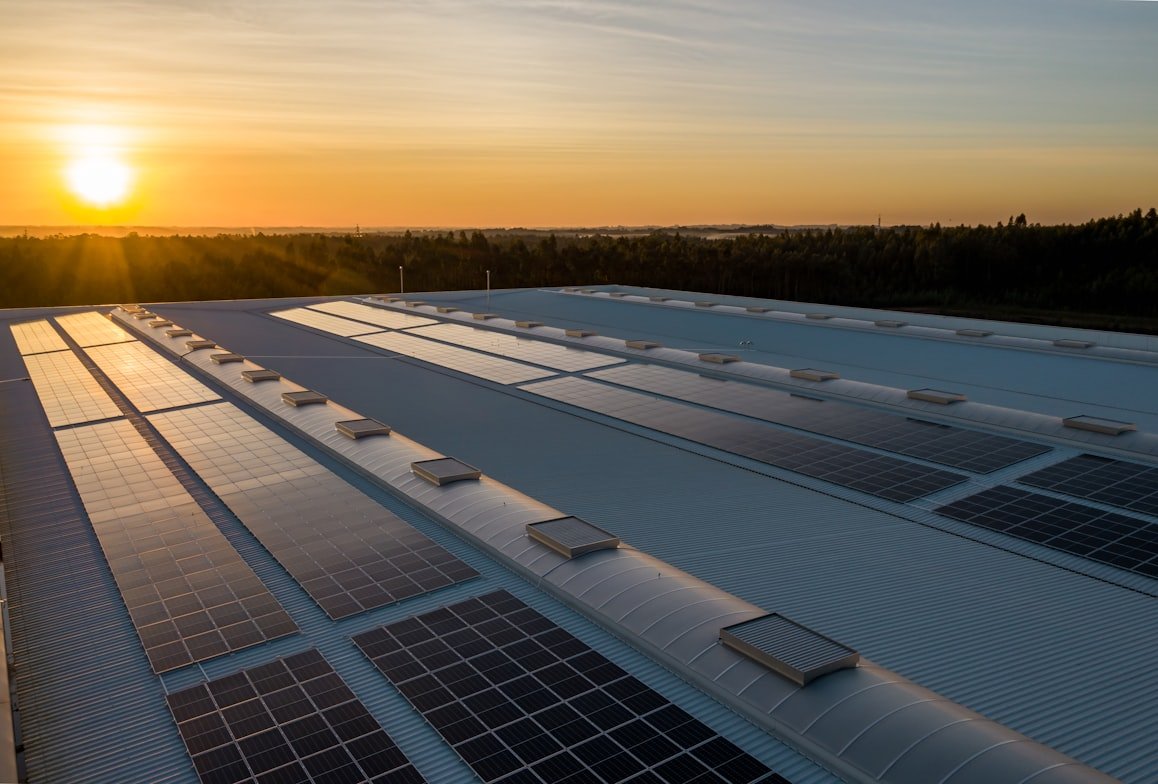
Here’s a quick reality check: You need approximately 100 square feet of shadow-free roof space per kW.
So a 3kW system needs about 300 square feet. Most apartment terraces or independent house roofs have this easily.
The key word is “shadow-free.” That water tank casting a shadow at 2 PM? That’s going to reduce your output. Trees, neighboring buildings, your own parapet walls – they all matter.
During my site survey, the installer pointed out a vent pipe that was creating afternoon shadows. We repositioned four panels, and it made a 5% difference in generation. Small things matter.
Also, South-facing roofs are ideal in India, but East-West orientations work fine too. You’ll lose maybe 10-15% efficiency, but it’s not a dealbreaker.
The ROI That Actually Makes Sense
Let’s get to everyone’s favorite question: When do I break even?
With current subsidies and electricity rates, most homeowners see a payback period of 4-6 years.
Here’s my math:
- System cost after subsidy: ₹1,80,000 (5kW)
- Monthly electricity savings: ₹3,500
- Annual savings: ₹42,000
- Payback period: ~4.3 years
After that? Pure profit. For the next 20+ years, you’re generating free electricity while your neighbors watch their bills climb.
But here’s what makes it even better: You’re locked in at today’s generation cost. While electricity tariffs increase 6-8% annually, your cost per unit stays at zero.
Think of solar as buying 25 years’ worth of electricity at today’s rates. When you frame it that way, the decision becomes obvious.
The Installation Journey: What to Expect
The actual installation is surprisingly quick. Mine took six days from start to finish.
Day 1-2: They installed the mounting structure (basically the framework that holds the panels). Expect some drilling and noise.
Day 3-4: Panel installation and wiring. This is when it starts looking real. I probably took 50 photos during this phase.
Day 5: Inverter and net meter setup. The inverter is the brain of your system – it converts DC to AC power.
Day 6-7: Testing, commissioning, and showing you how the monitoring app works.
The only hiccup I faced was waiting for the net meter approval from my electricity company (DISCOM). The installation was done, but I couldn’t connect to the grid for two weeks. This varies by state – some are super efficient, others… not so much.
Choosing the Right Brand: My Honest Take
I spent way too much time researching brands. Here’s what actually matters:
- BIS certification (mandatory)
- 25-year performance warranty (standard in the industry)
- Local after-sales support (super important)
The big Indian names – Tata Power Solar, Adani Solar, Waaree, Vikram Solar – they’re all solid. I went with Adani, my neighbor chose Tata. We’re both happy.
Monocrystalline panels cost about 10-15% more than polycrystalline but are more efficient. In space-constrained installations, that efficiency matters. If you have plenty of roof space, polycrystalline works fine and saves money.
Here’s my unpopular opinion: Don’t obsess over getting the absolute highest efficiency panels. A 20% efficient panel vs. a 22% efficient panel won’t dramatically change your life. Focus on warranty, brand reliability, and after-sales service instead.
Maintenance: Less Hassle Than You Think
I thought I’d be up on the roof every weekend cleaning panels. Reality? I clean them maybe once a month, and that’s just hosing them down.
During monsoon, rain does most of the cleaning. In dusty months, a professional cleaning twice a year (costs around ₹1,500-₹2,000) is enough.
The monitoring app alerts me if generation drops suddenly. I check it weekly, mostly out of habit now. It’s oddly satisfying watching your system’s lifetime generation counter tick up.
Conclusion Final Thoughts: Should You Go Solar?
Here’s my straight answer: If you’re a homeowner planning to stay in the same place for at least 5-7 years, going solar is a no-brainer financially.
The subsidies are generous right now. Electricity costs keep rising. And the technology has matured to the point where it’s reliable and low-maintenance.
My only regret? I didn’t do it sooner.
Start by getting three quotes from MNRE-empanelled vendors. Ask them to visit your site. Compare not just on price, but on component quality and what’s included.
And remember – you’re not just installing solar panels. You’re taking control of your electricity costs for the next 25 years.
That’s pretty powerful when you think about it.

Introduction
In today’s fast-moving digital world, new names and concepts often appear and quickly gain attention. One such term is littleminaxo, which has started to spark curiosity across online platforms. Whether you discovered it through social media, search engines, or online discussions, understanding what it represents and why people are talking about it is important. This article explains the concept in simple English, explores its relevance, and shows why it matters in the modern digital landscape. By the end, you will have a clear understanding of its purpose, potential, and how it fits into today’s online ecosystem.
What Is Littleminaxo and Why Is It Gaining Attention?
The term littleminaxo is commonly associated with a unique online identity or digital presence that stands out due to its originality and memorable nature. In a crowded internet space, distinctive names often attract curiosity, and this is exactly what has happened here. People are drawn to it because it feels personal, creative, and easy to remember. As digital branding becomes more important than ever, having a recognizable name helps build trust and familiarity. This growing interest shows how users value authenticity and clear identity when exploring new platforms, creators, or communities online.
Will You Check This Article: Robthecoins Investing: A Complete Guide to Smarter and Safer Crypto Growth
The Importance of Unique Digital Identities
Why Names Matter Online
A strong digital identity begins with a name that resonates with users. Unique names help individuals and brands separate themselves from competitors while building emotional connections. When people see a name repeatedly across platforms, they start to associate it with certain values or content. This recognition plays a major role in long-term success. In the case of littleminaxo, its distinct sound and visual appeal make it easy to recall, which helps improve engagement. Memorable identities also increase sharing, helping content travel further without heavy promotion or advertising.
How Littleminaxo Fits Into Modern Online Culture
A Reflection of Digital Trends
Online culture today values creativity, relatability, and originality. Users want content and identities that feel real rather than overly corporate. The rise of littleminaxo reflects this shift. It aligns with the trend of building smaller, more personal brands that focus on community rather than mass marketing. People are more likely to trust and follow names that feel human and approachable. This cultural shift explains why such digital identities gain traction faster and maintain stronger engagement compared to generic or overly polished alternatives.
Content Strategy and Visibility Benefits
Building Reach Through Consistency
Consistency is one of the most powerful tools in digital growth. When a name like littleminaxo is used consistently across platforms, it strengthens brand recognition and search visibility. Search engines favor clarity and relevance, and consistent naming helps algorithms understand and categorize content better. Over time, this leads to improved rankings and discoverability. Additionally, consistent branding builds user trust, as audiences feel confident they are engaging with the same source wherever they find it. This steady approach supports long-term growth without relying on short-term trends.
Trust, Community, and Long-Term Value
Creating Meaningful Connections
Trust is the foundation of any successful online presence. Communities form around names that feel reliable and engaging. By focusing on quality interactions and clear communication, digital identities can build loyal audiences. Littleminaxo represents the idea that growth does not always require massive reach; instead, meaningful engagement matters more. When users feel heard and valued, they return and recommend the content to others. This organic growth strengthens credibility and ensures sustainability, even as online trends continue to change rapidly.
Conclusion
The rise of littleminaxo highlights the power of originality, clarity, and consistency in the digital world. As online spaces become more competitive, unique identities that focus on trust and genuine engagement stand out. By understanding its relevance and approach, readers can learn valuable lessons about building strong digital presences of their own. Whether you are a creator, entrepreneur, or curious user, this concept shows that success online is not just about visibility but about connection, reliability, and long-term value.
Frequently Asked Questions (FAQs)
1. What does littleminaxo represent online?
It represents a unique digital identity that focuses on originality and clear branding, helping it stand out in crowded online spaces.
2. Why is littleminaxo easy to remember?
The name is short, distinctive, and visually appealing, which makes it easier for users to recall and recognize across platforms.
3. Can littleminaxo help with online growth?
Yes, consistent use of a unique identity improves visibility, trust, and engagement, which supports steady and organic growth.
4. Is littleminaxo suitable for personal branding?
Absolutely. Its approachable and creative nature aligns well with modern personal branding strategies focused on authenticity.
5. How does littleminaxo build trust with audiences?
By maintaining consistency, clear communication, and meaningful engagement, it encourages long-term relationships with users.

Introduction
Air travel is one of the safest ways to move around the world, yet unexpected situations can still happen. Recently, the united airlines flight ua770 emergency diversion caught public attention and raised many questions among travelers. People want to know what happened, why the flight was diverted, and how airlines handle such events. This article explains the incident in simple, engaging English, covering the facts, aviation safety procedures, and what passengers can learn from it. By the end, you will clearly understand the situation and feel more confident about how airlines prioritize safety during emergencies.
What Is an Emergency Diversion in Aviation?
An emergency diversion happens when a flight changes its planned route and lands at a different airport for safety reasons. These reasons can include medical emergencies, technical warnings, weather issues, or security concerns. In the case of the united airlines flight ua770 emergency diversion, the decision was made as a precaution, which is standard practice in modern aviation. Pilots are trained to respond quickly and calmly, following strict protocols. Diversions are not signs of failure; they are signs that safety systems and human judgment are working exactly as intended to protect passengers and crew.
Will You Check This Article: Valplekar: A Traditional Konkani Surname from Valpal Village in Goa
Overview of United Airlines Flight UA770
United Airlines Flight UA770 is a regularly scheduled commercial flight operated by United Airlines, one of the largest and most experienced carriers in the world. On the day of the incident, the aircraft was operating normally until an unexpected issue required immediate attention. The united airlines flight ua770 emergency diversion was initiated after cockpit alerts indicated a potential concern. While exact technical details are often reviewed internally, the airline confirmed that the diversion was carried out safely. All passengers and crew landed without injuries, reinforcing the airline’s commitment to safety-first decisions.
Timeline of the UA770 Emergency Diversion
Understanding the timeline helps clarify how efficiently the situation was handled. Shortly after departure, the flight crew noticed an abnormal indication that required further evaluation. After consulting with air traffic control and United Airlines’ operations team, the pilots decided on an emergency diversion. The united airlines flight ua770 emergency diversion was communicated clearly to passengers, reducing panic and confusion. The aircraft then followed a controlled descent and landed at the nearest suitable airport. Emergency crews were on standby, which is standard procedure, and the situation was resolved quickly after landing.
Possible Reasons Behind the Diversion
Airlines rarely disclose every technical detail immediately, but diversions usually fall into known categories. These include engine warnings, cabin pressure alerts, smoke indicators, or onboard medical situations. For the united airlines flight ua770 emergency diversion, early reports suggest a technical alert rather than a confirmed mechanical failure. Aviation systems are designed to be cautious, meaning even a minor warning can trigger a diversion. This conservative approach ensures that small issues never become serious threats, keeping passenger safety as the top priority at all times.
Passenger Experience During the Incident
For passengers, an emergency diversion can be stressful, especially for those unfamiliar with aviation procedures. On UA770, the crew reportedly remained calm and professional, explaining the situation step by step. During the united airlines flight ua770 emergency diversion, passengers were instructed to remain seated and follow safety guidelines. After landing, United Airlines staff assisted travelers with rebooking, accommodations, and updates. While delays are inconvenient, many passengers later shared appreciation for the transparency and care shown by the flight crew and ground teams.
United Airlines’ Safety Protocols and Training
United Airlines follows strict international aviation regulations and invests heavily in pilot training, aircraft maintenance, and emergency preparedness. Pilots regularly practice simulator scenarios that include emergency diversions. In the united airlines flight ua770 emergency diversion, these protocols ensured a smooth and controlled response. The airline also maintains constant communication between pilots, dispatchers, and maintenance experts. This layered safety system allows informed decisions in real time, reinforcing trust in United Airlines as a carrier that prioritizes human life over schedules or costs.
How Emergency Diversions Protect Passengers
Emergency diversions may sound alarming, but they are one of aviation’s strongest safety tools. By landing early, crews can address potential problems before they escalate. The united airlines flight ua770 emergency diversion demonstrates how proactive decision-making reduces risk. Diversions also allow medical teams or technical experts to assist immediately upon landing. From a passenger’s perspective, a diversion is proof that the airline is paying close attention to every detail, even when the issue might turn out to be minor after inspection.
Lessons Travelers Can Learn from UA770
There are important takeaways for travelers from this event. First, always listen to crew instructions; they are trained for these situations. Second, understand that diversions are precautionary, not signs of danger. The united airlines flight ua770 emergency diversion highlights the importance of patience and trust in aviation professionals. Finally, travel insurance and flexible booking options can reduce stress when plans change unexpectedly. Being informed helps passengers stay calm and confident during rare but necessary safety decisions.
Conclusion
The united airlines flight ua770 emergency diversion is a clear example of aviation safety working as designed. While unexpected, the diversion was handled professionally, transparently, and with passenger well-being as the top priority. Emergency diversions are not failures; they are preventive actions that protect lives. By understanding what happened and why, travelers can feel reassured about flying with major airlines like United. Safety remains the core of modern air travel, even when plans change midair.
Frequently Asked Questions (FAQs)
1. What caused the United Airlines flight UA770 emergency diversion?
The diversion was triggered by a cockpit alert indicating a potential technical concern. While not all details are public, such alerts are treated seriously to ensure maximum safety.
2. Was anyone injured during the UA770 emergency diversion?
No, all passengers and crew landed safely without injuries. Emergency teams were present as a precaution, which is standard procedure.
3. Are emergency diversions common in commercial aviation?
They are relatively rare, but they do happen. When they do, it means safety systems and trained professionals are responding correctly.
4. How did United Airlines assist passengers after the diversion?
United Airlines helped with rebooking, accommodations, and provided clear communication to minimize inconvenience for affected travelers.
5. Should passengers be worried when a flight is diverted?
Generally, no. A diversion is a preventive safety measure. Events like the united airlines flight ua770 emergency diversion show that airlines prioritize safety above all else.
-
 Blog1 week ago
هنتاوي.com: The Emerging Arabic Anime Hub Transforming Digital Entertainment
-
 Entertainment2 days ago
Influencer Gone Wild: Top Scandals & What Went Wrong 2025
-
 Biography3 days ago
Valplekar: A Traditional Konkani Surname from Valpal Village in Goa
-
 Biography5 days ago
Claude Edward Elkins Jr.: From Rail Brakeman to Commercial Rail Visionary
-
 Biography1 week ago
Marcus Whately: A Journey of Visionary Leadership, Innovation, and Success
-
 Biography6 hours ago
Pete Samara: The Digital Visionary Who Transformed Formula 1
-
 Business4 days ago
Park House Business Centre: Your Smart Office Choice in Bristol & Scotland
-
 Technology4 days ago
Repmold: The New Era of Precision Manufacturing