
Entertainment
Guía Silent Hill Geekzilla: Complete Fan Survival Guide

Introduction to the World of Silent Hill
Silent Hill is not just a video game franchise; it is a psychological journey that reshaped the horror genre forever. Since its debut in 1999, Silent Hill has stood apart by focusing on atmosphere, symbolism, and emotional terror rather than cheap jump scares. Players do not simply fight monsters—they confront guilt, trauma, and the darkest corners of the human psyche. This guide explores Silent Hill through the lens of Geekzilla culture, where fandom meets deep analysis, appreciation, and survival mastery.
Why Silent Hill Still Matters Today
Even decades after its first release, Silent Hill remains culturally relevant. Modern horror games often borrow its techniques: fog-filled environments, ambient sound design, and morally complex storytelling. Silent Hill matters because it treats horror as art, encouraging players to think, feel, and interpret rather than react. Geekzilla fans continue to analyze its themes, proving the series has enduring depth that transcends gaming generations.
Understanding Geekzilla Culture
Geekzilla culture celebrates obsessive passion combined with thoughtful exploration. In the context of Silent Hill, Geekzilla fans go beyond surface-level gameplay to decode symbols, theories, and hidden meanings. They discuss narrative timelines, psychological symbolism, and developer intentions. This approach transforms Silent Hill from a game into a shared intellectual and emotional experience, uniting fans worldwide.
Will You Check This Article: QLCredit: Smart Digital Loans for Instant Financial Needs
The Origins of Silent Hill
The original Silent Hill was developed by Team Silent at Konami during a time when 3D gaming was still evolving. Limited hardware capabilities forced creative solutions, such as fog to mask draw distance, which ironically became one of the game’s most iconic features. What started as a technical limitation evolved into a defining atmospheric element, shaping the franchise’s identity and horror legacy.
Psychological Horror vs Traditional Horror
Unlike traditional horror that relies on gore or monsters, Silent Hill focuses on psychological unease. The fear comes from uncertainty, distorted reality, and emotional discomfort. Enemies often represent inner struggles rather than external threats. This layered approach makes the experience deeply personal, as each player interprets the horror differently based on their own emotions and experiences.
The Town of Silent Hill as a Character
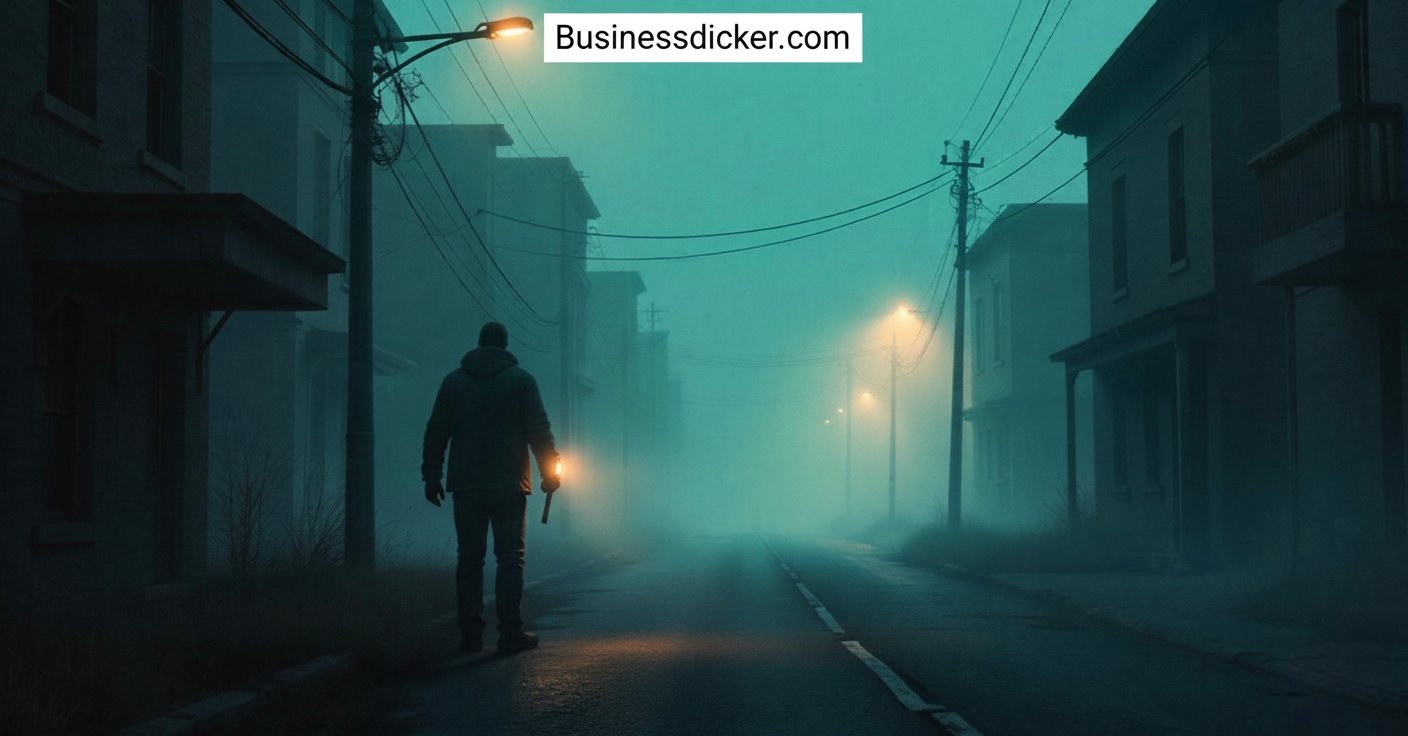
Silent Hill itself feels alive. The town reacts to the player’s psyche, shifting between foggy streets and nightmarish otherworlds. Buildings decay, sirens scream, and reality fractures. Geekzilla fans often describe the town as a mirror that reflects inner guilt and repression, making it one of the most memorable settings in gaming history.
Iconic Characters and Their Symbolism
Characters like James Sunderland, Heather Mason, and Pyramid Head are more than protagonists or monsters. They are symbolic representations of grief, identity, and punishment. James’s journey in Silent Hill 2, for example, is widely regarded as one of the most emotionally complex stories in gaming, exploring denial and self-forgiveness with haunting subtlety.
The Meaning Behind the Monsters
Silent Hill’s monsters are not random creations. Each creature symbolizes psychological trauma, fear, or sin. Nurses represent distorted sexuality and vulnerability, while mannequins reflect shame and objectification. Geekzilla-level analysis reveals that understanding these monsters deepens the narrative and makes encounters more disturbing than any scripted scare.
Sound Design and Music as Storytelling Tools
Akira Yamaoka’s soundtrack is inseparable from Silent Hill’s identity. Industrial noise, unsettling silence, and melancholic melodies create emotional tension. Sound design acts as a narrative guide, signaling danger, loneliness, or despair. Many fans consider the music itself a form of storytelling that communicates emotions words cannot express.
Gameplay Mechanics and Survival Strategy
Silent Hill’s gameplay emphasizes vulnerability. Limited ammunition, clunky combat, and awkward controls force players to choose between confrontation and avoidance. Survival depends on resource management, exploration, and patience. Geekzilla fans appreciate how these mechanics reinforce the narrative, making fear a constant companion rather than a temporary obstacle.
Puzzle Design and Intellectual Engagement
Puzzles in Silent Hill often require interpretation rather than logic alone. Riddles reference literature, music, and abstract concepts, challenging players intellectually. Difficulty settings even affect puzzle complexity, offering deeper engagement for dedicated fans. This design encourages critical thinking and reinforces the game’s psychological depth.
Multiple Endings and Player Choice
Silent Hill games often feature multiple endings influenced by player behavior. Choices are rarely obvious, reflecting moral ambiguity. These endings encourage replayability and discussion within the Geekzilla community, as fans debate which outcomes are canonical or emotionally definitive.
Silent Hill 2: A Masterpiece of Storytelling
Silent Hill 2 is widely regarded as the pinnacle of the series. Its self-contained story, mature themes, and emotional impact set a new standard for narrative-driven games. Geekzilla fans frequently analyze its symbolism, from environmental clues to subtle character interactions, making it a timeless case study in interactive storytelling.
Later Entries and Evolution of the Franchise
Later Silent Hill titles experimented with different mechanics and narratives. While some fans debate their quality, each entry contributed new ideas. Western-developed titles expanded the mythos, while spin-offs explored alternative perspectives. Geekzilla culture embraces these discussions, recognizing both successes and missteps as part of the franchise’s evolution.
Silent Hill in Movies and Media
Silent Hill adaptations in film introduced the series to wider audiences. While opinions vary, the visual style and atmosphere captured the essence of the games. These adaptations sparked renewed interest and debate, reinforcing Silent Hill’s influence beyond gaming and into broader pop culture.
The Role of Theory and Interpretation
One of Silent Hill’s greatest strengths is ambiguity. The games rarely provide clear answers, inviting interpretation. Geekzilla fans thrive on theorizing, connecting clues, and debating meanings. This open-ended design ensures Silent Hill remains relevant, as each new player brings fresh perspectives.
Why Silent Hill Resonates Emotionally
Silent Hill resonates because it addresses universal human emotions—loss, guilt, fear, and redemption. The horror feels personal, not abstract. Players often reflect on their own experiences, making the journey both unsettling and cathartic. This emotional resonance is why Silent Hill is remembered long after the screen fades to black.
Conclusion: The Enduring Legacy of Silent Hill
Silent Hill stands as a landmark in horror storytelling, blending gameplay, music, and psychology into an unforgettable experience. Through the Geekzilla lens, it becomes more than entertainment—it becomes art, philosophy, and emotional exploration. Its influence continues to shape horror across media, proving that true fear lies not in monsters, but within ourselves.
FAQs
What makes Silent Hill different from other horror games?
Silent Hill focuses on psychological horror rather than action, using atmosphere, symbolism, and emotional storytelling to create fear that lingers long after gameplay ends.
Why is Silent Hill 2 considered the best in the series?
Silent Hill 2 is praised for its deep narrative, complex characters, and symbolic monsters, offering an emotionally powerful story rarely matched in gaming.
What does Geekzilla mean in Silent Hill fandom?
Geekzilla refers to fans who deeply analyze and celebrate Silent Hill’s lore, symbolism, and themes beyond casual gameplay.
Are Silent Hill monsters symbolic?
Yes, most monsters represent psychological trauma, guilt, or suppressed emotions tied to the characters’ inner struggles.
Is Silent Hill still relevant today?
Absolutely. Its influence on modern horror games, films, and storytelling continues, and new players still discover its depth and emotional impact.

Emerson Normand Carville, widely known as Emma Carville, comes from a household that shaped major conversations in American politics. Her parents, James Carville and Mary Matalin, built influential careers on opposite ends of the political spectrum. Emerson grew up in the middle of that high-profile world, yet she consistently chose privacy, balance, and independence over public exposure. Her story highlights a young woman who values normalcy while still honoring a family legacy that millions recognize.
Quick Profile Overview Emerson Normand Carville
| Detail | Information |
|---|---|
| Full Name | Emerson Normand Carville |
| Nickname | Emma Carville |
| Birthdate | December 29, 1999 (reported) |
| Age | Early 20s |
| Parents | James Carville & Mary Matalin |
| Sister | Matalin “Matty” Mary Carville |
| Upbringing | Virginia, USA |
| Education | Local Virginia schools, Louisiana State University |
| Interests | Lifestyle projects, creative business ideas |
Growing Up in a Politically Dynamic Home
Emerson spent her childhood in Virginia, where her home often filled with political discussions, interviews, and national media attention. Her parents worked in different political parties, but they created a family environment that encouraged open conversation and curiosity rather than division. Emerson learned early how to think independently and build her own views.
Her upbringing reflected warmth, humor, and strong family values. James and Mary focused on raising their daughters with stability and real-world awareness. Emerson grew up surrounded by bold personalities and strong ideas, yet she shaped her identity through quiet observation and thoughtful engagement rather than stepping into the spotlight.
People Read Also: Calesshop
Education and Academic Path at LSU
Emerson later continued her studies at Louisiana State University, the same university her father attended. LSU gave her a new environment away from the media attention that surrounded her in childhood. She explored new interests, expanded her academic experiences, and built connections outside her family’s political reputation.
Her time at LSU strengthened her confidence and independence. She focused on personal growth, learning, and building skills that support her future projects. She approached university life with determination and curiosity, which shaped her maturity and direction after graduation.
Emerson Normand Carville Relationship With Her Family and Sister
Emerson shares a close bond with her older sister, Matalin Mary Carville. The sisters grew up participating in family traditions, debates, and humor-filled conversations that often reflected their parents’ dynamic personalities. Despite their family’s public visibility, both sisters built low-key lifestyles driven by their interests rather than their last name.
Her relationship with her parents also reflects balance and respect. James Carville’s outspoken energy and Mary Matalin’s strategic sharpness never overshadowed Emerson’s individuality. Instead, they encouraged her to follow her own ideas and explore her personal strengths.
Personal Interests and Growing Career Direction
After college, Emerson started shaping her own path by exploring lifestyle-focused ideas, creative business concepts, and entrepreneurial interests. She approaches work with a flexible and modern mindset, choosing projects that match her personal values rather than following traditional career expectations.
She prefers meaningful experiences over public attention. Emerson values privacy, growth, and authenticity, and she builds her future around those principles. Her early direction shows a young woman who thinks deeply about her choices and acts with intention.
Influence of Her Parents’ Legacy
Emerson respects her parents’ achievements, but she does not rely on their political fame to define her life. She understands the weight of their public roles, yet she carves her identity outside politics. Her father, known for his strategic brilliance, and her mother, respected for her communications expertise, shaped her worldview, but they never limited her journey.
She admires their success, but she chooses a quieter and more introspective direction—one that highlights her independence and personal vision.
Public Presence and Media Visibility
Emerson keeps a minimal public presence. She rarely uses social media for attention, and she avoids interviews or features that focus on her family background. When her name appears online, it usually relates to her parents’ profiles or brief mentions in family-related segments.
Her choice to maintain a low profile creates curiosity but also reflects strength. She values privacy in a world where most public figures share every detail of their lives. Her quiet approach allows her to move freely, experiment with new ideas, and grow without external pressure.
Lesser-Known Facts About Emerson Normand Carville
She grew up in a bipartisan household yet learned to form her own perspectives.
She chose LSU partly because of family ties but used the experience to build her independence.
She supports creative and lifestyle-centered projects rather than political roles.
She focuses on meaningful personal growth rather than public recognition.
A Snapshot of Emerson’s Journey
Childhood:
Lives in Virginia, grows in a politically iconic family, develops early intellectual curiosity.
Teen Years:
Learns to balance privacy with her family’s public reputation.
University Phase:
Studies at Louisiana State University, expands her academic and social world.
Young Adulthood:
Explores entrepreneurial ideas and creative projects while shaping her personal identity.
Frequently Asked Questions
1. Who are Emerson Normand Carville’s parents?
James Carville and Mary Matalin, two of America’s most recognized political consultants.
2. Why does Emerson keep a low profile?
She values privacy and prefers to build her life away from the spotlight.
3. Did Emerson Carville attend LSU?
Yes, public records and media references link her to Louisiana State University.
4. What does she pursue in her career?
She explores lifestyle projects, entrepreneurship, and personal development.
5. Does Emerson appear in political media?
Rarely. She avoids political roles and public appearances unless they relate to family contexts.
Conclusion
Emerson Normand Carville represents a modern generation that values independence, authenticity, and thoughtful decision-making. She grew up in a household that shaped American political history, but she chooses a quieter, self-driven path. Her story continues to unfold as she explores new ideas, builds her own career direction, and maintains a grounded lifestyle rooted in privacy, purpose, and individuality.
Read more About Businessdicker.com

Introduction
Social media has transformed ordinary people into overnight celebrities, but with great visibility comes great risk. The phrase “influencer gone wild” has become a trending search term as audiences witness their favorite content creators fall from grace through scandals, controversies, and career-ending mistakes. Whether it’s inappropriate content, unethical behavior, or public meltdowns, these incidents spread like wildfire across platforms, leaving lasting impacts on both influencers and their followers.
If you’ve searched for “influencer gone wild,” you’re likely curious about what causes these public failures, which high-profile cases made headlines, or how these situations affect the creator economy. Perhaps you’re an aspiring influencer wondering how to avoid similar pitfalls, or simply someone fascinated by internet culture and digital drama.
This comprehensive guide explores the phenomenon of influencers who’ve lost control of their public image, examines the psychology behind these incidents, analyzes real-world consequences, and provides actionable insights for both content creators and consumers. Understanding these cautionary tales helps us navigate the complex landscape of social media influence more responsibly.
What Does “Influencer Gone Wild” Actually Mean?
The term “influencer gone wild” refers to situations where social media personalities engage in behavior that damages their reputation, violates platform guidelines, or crosses ethical boundaries. These incidents typically go viral, generating massive public attention and often ending careers.
Common Scenarios Include:
Inappropriate Content Sharing – Posting offensive, explicit, or insensitive material that violates community standards or offends audiences. This might include leaked private content, controversial statements, or tone-deaf posts during sensitive times.
Unethical Business Practices – Promoting scam products, failing to disclose sponsorships, or deceiving followers for financial gain. The Federal Trade Commission has cracked down on undisclosed partnerships, making transparency non-negotiable.
Public Meltdowns and Feuds – Engaging in online arguments, attacking other creators, or having emotional breakdowns that followers witness in real-time. These unfiltered moments often reveal personality traits that contradict carefully curated personas.
Legal Violations – Breaking laws and documenting it on social media, from reckless driving to property damage, often for views and engagement.
Why These Incidents Spread So Quickly
Social media algorithms prioritize controversial content because it generates engagement. When an influencer makes a mistake, the content gets shared, commented on, and discussed across multiple platforms within hours. Cancel culture amplifies these situations, with communities quickly mobilizing to hold creators accountable.
Notable Cases That Defined the Phenomenon
Understanding specific examples helps illustrate how quickly influence can evaporate and what triggers public backlash.
The Fitness Influencer Fraud
Several fitness influencers have faced backlash for promoting unrealistic body standards while using filters, editing tools, or even performance-enhancing substances they didn’t disclose. These deceptions eroded trust when exposed, causing followers to question all health and wellness content.
The Apology Video Disasters
When influencers attempt damage control through apology videos, many make things worse. Insincere apologies, deflecting blame, or monetizing the controversy through ads on apology content often backfire spectacularly. Audiences can detect performative remorse versus genuine accountability.
The Prank Gone Wrong
Several creators have faced legal consequences and platform bans for pranks that crossed into harassment, endangerment, or public disturbance. What seemed funny in the moment became criminal offenses with real victims.
The Partnership Scandals
Influencers promoting cryptocurrency scams, unregulated financial products, or dangerous supplements without due diligence have faced lawsuits and platform removals. The FTC has issued millions in fines for undisclosed sponsorships and deceptive marketing.
The Psychology Behind Influencer Mishaps
Several psychological factors contribute to why successful creators sometimes self-destruct publicly.
Fame Acceleration and Immaturity
Many influencers gain massive followings before developing the emotional maturity or professional guidance needed to handle public scrutiny. A 19-year-old suddenly managing millions of followers and substantial income faces pressures most adults couldn’t handle.
The Echo Chamber Effect
Surrounded by fans, managers, and yes-people, influencers can lose perspective on appropriate behavior. When everyone around you celebrates questionable decisions, you lose the critical feedback necessary for good judgment.
Content Pressure and Desperation
The algorithm demands constant content creation. As creators struggle to maintain relevance, some resort to increasingly extreme behavior to capture attention. This escalation often leads to crossing ethical lines.
Parasocial Relationships Distorting Reality
Influencers sometimes forget their relationship with followers is asymmetrical. Treating audiences like friends leads to oversharing, inappropriate intimacy, or assumptions that fans will excuse any behavior.
The Real Consequences of Going Wild
When influencers make serious mistakes, the fallout extends beyond temporary embarrassment.
Financial Devastation
Brand partnerships evaporate overnight. Companies distance themselves from controversial figures to protect their own reputations. An influencer earning $500,000 annually through sponsorships can lose everything within days.
Platform Penalties
YouTube demonetization, Instagram account suspensions, TikTok bans—platforms enforce community guidelines strictly. Losing access to your primary audience destroys the foundation of your influence.
Legal Ramifications
Beyond civil lawsuits, some influencer misconduct results in criminal charges. Filming in restricted areas, harassment, fraud, or endangering others can lead to prosecutions with lasting consequences.
Mental Health Impact
Public shaming, losing your career, and facing constant criticism causes severe psychological distress. Several influencers have spoken about depression, anxiety, and suicidal thoughts following their cancellations.
Permanent Digital Footprint
The internet never forgets. Even if someone successfully rebuilds, their mistakes remain searchable forever, affecting future opportunities, relationships, and personal life.
How Influencers Can Avoid Career-Ending Mistakes
Content creators can protect themselves and their careers by following professional standards and maintaining ethical boundaries.
Implement a Review Process
Before posting anything potentially controversial, get feedback from trusted advisors who will give honest opinions. A simple pause before publishing can prevent disasters.
Understand Platform Guidelines Thoroughly
Each social platform has specific rules about acceptable content. Ignorance isn’t an excuse when violations result in bans. Review guidelines regularly as they evolve.
Separate Personal and Public Life
Not everything needs to be shared. Maintaining boundaries protects your privacy and prevents impulsive posts during emotional moments.
Prioritize Long-Term Reputation Over Short-Term Engagement
Viral controversy might boost views temporarily, but sustainable careers are built on trust and consistency. Ask yourself: “Will I regret this in five years?”
Work with Professionals
Managers, agents, lawyers, and PR professionals exist for good reason. They provide objective guidance and handle crisis management when things go wrong.
Practice Transparency and Authenticity
Disclose sponsorships clearly. Admit mistakes promptly. Your audience values honesty far more than perfection.
What Audiences Should Know
Followers and consumers of influencer content also play a role in creating healthier digital environments.
Question What You See
Recognize that social media shows curated highlights, not reality. Approach influencer content critically, especially product recommendations and lifestyle advice.
Support Accountability, Not Mob Justice
There’s a difference between holding someone accountable for harmful behavior and participating in pile-on harassment. Constructive criticism differs from cruel attacks.
Understand the Human Behind the Content
Influencers are real people who make mistakes. While serious misconduct deserves consequences, minor errors don’t warrant career destruction.
Vote with Your Engagement
Support creators who demonstrate ethical behavior, transparency, and responsibility. Your follows, likes, and purchases determine who succeeds in the creator economy.
The Future of Influencer Accountability
The influencer landscape continues evolving as platforms, regulators, and audiences demand higher standards.
Increased Regulation
Governments worldwide are implementing stricter advertising disclosure requirements, consumer protection laws, and content moderation standards. The Wild West era of influencer marketing is ending.
Platform Responsibility
Social media companies face pressure to enforce community guidelines more consistently and protect users from harmful content or deceptive marketing.
Audience Sophistication
Younger generations display more media literacy, recognizing manipulation tactics and demanding authenticity. Influencers who rely on deception face increasingly skeptical audiences.
Professional Standards Emerging
Industry associations are developing ethics codes, best practice guidelines, and professional standards for content creators, similar to journalism or advertising.
Learning from Cautionary Tales
The “influencer gone wild” phenomenon offers valuable lessons for everyone participating in digital culture.
For Aspiring Creators: Build your platform on authenticity, ethical practices, and genuine value. Sustainable success comes from trust, not controversy.
For Established Influencers: Remember that your platform is a privilege, not a right. Maintain professionalism, respect your audience, and think before you post.
For Audiences: Consume content mindfully, support responsible creators, and recognize that influence comes with responsibility.
The democratization of media through social platforms created unprecedented opportunities, but also revealed how quickly influence can corrupt judgment. By understanding these dynamics, we can build a healthier, more responsible creator economy.
Conclusion
The phenomenon of “influencer gone wild” serves as both entertainment and warning in our digital age. These cautionary tales reveal the fragility of internet fame and the importance of ethical behavior when wielding public influence. From financial ruin and platform bans to legal consequences and mental health struggles, the cost of losing control publicly can be devastating.
For content creators, the message is clear: build your career on authenticity, transparency, and ethical practices. Implement review processes, understand platform guidelines, maintain boundaries, and prioritize long-term reputation over viral moments. Success isn’t measured only by followers and engagement—it’s defined by the sustainable, positive impact you create.
For audiences, these incidents remind us to consume content critically, support accountability over mob justice, and recognize the humanity behind the screens. The creator economy thrives when both creators and consumers embrace responsibility.
As social media continues evolving with increased regulation, platform accountability, and audience sophistication, the influencers who succeed will be those who treat their platform as a professional responsibility rather than a playground without consequences. The wild west days of unregulated influence are ending—and that’s ultimately better for everyone.
Ready to navigate social media more wisely? Start by following creators who prioritize ethics, transparency, and authentic value over sensationalism and controversy.
Frequently Asked Questions
What makes an influencer “go wild” versus making a simple mistake?
The distinction lies in severity, intention, and pattern. Simple mistakes are isolated incidents with minimal harm, promptly acknowledged and corrected. “Going wild” typically involves serious ethical violations, repeated misconduct, legal issues, or behavior that fundamentally breaks trust with audiences. It’s the difference between a poorly worded tweet and orchestrating fraud against your followers.
Can influencers recover after major scandals?
Recovery is possible but requires genuine accountability, consistent behavioral change, and time. Successful comebacks involve sincere apologies without excuses, making amends to those harmed, demonstrating changed behavior over extended periods, and rebuilding trust gradually. However, some violations—like criminal behavior or exploitation—may permanently end careers. Audiences are more forgiving of ignorance than malice.
How do platforms decide when to ban influencers?
Platforms use community guidelines violations as their primary criteria. Factors include severity of content, repeated violations, public safety concerns, legal compliance issues, and advertiser pressure. Most platforms use strike systems for minor violations before permanent bans. High-profile creators sometimes face different enforcement standards due to their influence and platform revenue generation.
Why do some influencers continue supporting controversial figures?
Several factors drive this: financial incentives from partnerships, genuine friendship or loyalty, fear of cancel culture themselves, ideological alignment, or calculated publicity seeking. Some creators prioritize freedom of expression over public opinion, while others simply lack awareness of why someone is controversial. The influencer network effect means supporting someone controversial can have cascading career implications.
What should brands do when sponsored influencers get into scandals?
Companies should act swiftly to protect their reputation: immediately suspend or terminate partnerships, issue public statements distancing the brand from misconduct, review vetting processes to prevent future associations, consider recall or refund programs if consumers were harmed, and implement stricter influencer selection criteria. Brands that hesitate or defend problematic influencers often suffer worse damage than the original scandal.
-
 Blog22 hours ago
هنتاوي.com: The Emerging Arabic Anime Hub Transforming Digital Entertainment
-
Entertainment5 days ago
Influencer Gone Wild: Top Scandals & What Went Wrong 2025
-
 Biography22 hours ago
Marcus Whately: A Journey of Visionary Leadership, Innovation, and Success
-
 Technology7 days ago
Repmold: The New Era of Precision Manufacturing
-
 Biography6 days ago
Valplekar: A Traditional Konkani Surname from Valpal Village in Goa
-
 Biography1 week ago
Claude Edward Elkins Jr.: From Rail Brakeman to Commercial Rail Visionary
-
 Biography3 days ago
Pete Samara: The Digital Visionary Who Transformed Formula 1
-
 Business7 days ago
Park House Business Centre: Your Smart Office Choice in Bristol & Scotland