
Biography
Andrew Millican: The Visionary Mind Reshaping Modern Creativity and Cultural Intelligence


Introduction
Andrew Millican is a name quietly echoing across creative circles, innovation labs, and forward-thinking communities, where his work has become a cultural bridge between tradition, technology, and human imagination, and although many outside these networks may only be discovering him now, his influence has long been present in the systems, stories, and strategies shaping the way modern thinkers understand creativity, identity, and the evolving digital landscape. With roots in multidisciplinary research and a distinctive narrative style that blends emotional insight with sharp analytical structure, Millican’s contributions resonate with a generation seeking meaning in a time defined by accelerated change, cultural fragmentation, and unprecedented technological possibility, creating a body of work that feels both grounded in timeless human experience and alive with futuristic sensibilities. His story invites readers to examine how one individual’s intellectual curiosity can become a catalyst for collective inspiration, sparking conversations that carry us toward more conscious, culturally aware, and innovative futures.
Who Is Andrew Millican?
Andrew Millican is a contemporary writer, strategist, and cultural thinker known for weaving together modern creativity, cross-cultural understanding, and emerging technological frameworks into a distinctive narrative voice that deeply resonates with creative professionals and global audiences alike, and through his essays, speeches, and collaborative projects, he explores how identity, memory, and innovation intersect in a world shaped by digital transformation. Rather than limiting himself to a single discipline, Millican operates at the border between artistic intuition and intellectual rigor, building ideas that feel both emotionally compelling and structurally sophisticated, which is why he has increasingly become a reference point for thinkers navigating the creative economy and those searching for narratives that honor both personal heritage and forward-looking imagination. His work often inspires reflection on how individuals can reclaim authentic expression in an era of noise, algorithms, and cultural oversaturation, allowing him to stand out as a voice that blends modern relevance with timeless wisdom.
Quick Status Table
| Attribute | Description |
|---|---|
| Profession | Writer, cultural strategist, creative theorist |
| Known For | Blending tradition, innovation, and cultural analysis |
| Influences | Global storytelling, digital culture, interdisciplinary research |
| Signature Style | Human-centered narratives with analytical depth |
| Audience | Creatives, strategists, modern thinkers, culture enthusiasts |
| Focus Themes | Identity, innovation, memory, cultural evolution |
| Approach | Storytelling + philosophy + technology integration |
The Creative Origins of Andrew Millican
Andrew Millican’s creative journey began long before he earned recognition in professional circles, emerging from an early fascination with the hidden threads that shape human stories, cultural narratives, and the unspoken forces guiding personal identity, and although his origins include traditional academic pathways, his evolution into a multidimensional creative thinker was shaped more by curiosity than credentials. Growing up in an environment where literature, art, and technology intersected with daily life, Millican developed a unique ability to interpret cultural patterns and translate them into storytelling frameworks that move beyond entertainment into deeper forms of reflection and emotional resonance. His early work explored the imprint of memory on creativity, the tension between individuality and collective culture, and the subtle ways technology reshapes human relationships, allowing these themes to become the conceptual foundation for his mature projects. Over time, these origins evolved into a creative philosophy rooted in authenticity, cross-cultural empathy, and forward-thinking imagination.
A Distinctive Blend of Tradition and Innovation
Few contemporary creatives balance old-world storytelling with modern technological insight as seamlessly as Andrew Millican, whose work demonstrates a deep respect for the cultural traditions that shape human identity while embracing the innovative tools that define the modern era. Instead of treating tradition and innovation as opposing forces, he merges them into a coherent creative framework that honors the depth of history while illuminating the boundless potential of digital futures. His narratives often draw on symbolic storytelling, classical structure, and cultural heritage, yet they are expressed through analytical clarity and insights drawn from emerging technologies like artificial intelligence, immersive media, and global digital connectivity, giving his work a timeless yet futuristic quality. This blend enables Millican to speak to readers seeking meaning in a world where ancient values and modern tools collide, illustrating how individuals can use both to shape richer, more inclusive cultural narratives that transcend generational boundaries.
Impact on Contemporary Creative Culture
Andrew Millican’s influence reaches beyond the confines of traditional literary or academic arenas, permeating creative industries that include digital storytelling, cultural strategy, personal branding, and conceptual design, where his ideas help creatives find clarity in the increasing complexity of modern identity. His frameworks emphasize authenticity in an era dominated by surface-level content, encouraging creators to prioritize meaning, connection, and long-term cultural relevance rather than chasing fleeting trends, and this perspective has resonated with artists and strategists seeking sustainable models of creative expression. Millican’s impact is particularly visible in the way emerging creatives now blend cultural research with narrative innovation, using storytelling not just as a form of entertainment but as a strategic tool for community-building, technological literacy, and global communication, which reflects his belief that the future of creativity depends on our ability to merge emotional intelligence with analytical insight.
Millican’s Approach to Cultural Intelligence
At the heart of Andrew Millican’s work lies an evolving framework of cultural intelligence, a concept he interprets not simply as the ability to understand diverse perspectives but as the capacity to recognize how cultural identities evolve within digital ecosystems and globalized environments. Instead of relying on rigid academic definitions, Millican treats cultural intelligence as a dynamic, living process shaped by personal memory, technological participation, and the constantly shifting social narratives that define each generation, enabling individuals to engage with complexity rather than resist it. His approach encourages readers to view cultural understanding as a practice rooted in curiosity, empathy, and the willingness to confront one’s assumptions, and he often illustrates how creativity becomes more powerful when informed by cultural nuance. This philosophy has influenced both individuals and organizations seeking to responsibly navigate a world where identities are fluid, narratives are global, and cultural literacy is essential for genuine connection.
The Role of Technology in Millican’s Vision
Technology plays a central role in Andrew Millican’s intellectual ecosystem, not as a threat to authenticity but as an extension of human creativity, memory, and cultural storytelling, and he often argues that the digital landscape offers unprecedented opportunities to amplify marginalized voices, preserve heritage, and reinvent traditional narratives through immersive formats. His writing explores the emotional infrastructures of digital life—how algorithms shape perception, how virtual spaces redefine community, and how artificial intelligence transforms human expression—yet he approaches these topics with optimism grounded in critical reflection. Rather than framing technology as either savior or destroyer, Millican positions it as a tool that reflects human intention, which means the future depends on how thoughtfully we integrate innovation into cultural development. This balanced perspective has earned him recognition among digital creatives seeking guidance on how to navigate evolving technologies while remaining anchored in human values.
Millican’s Influence on Emerging Thinkers
Andrew Millican’s work resonates strongly with emerging thinkers who seek frameworks that embrace complexity without losing emotional depth, offering them language and structure to articulate their creative identities within a rapidly changing world. His essays and talks provide a model for integrating personal heritage, global awareness, and technological literacy into a cohesive intellectual voice, helping young creatives build careers rooted in authenticity and cultural consciousness. Many cite his influence as transformative, describing how his ideas encouraged them to explore interdisciplinary thinking, embrace their unique narrative backgrounds, and resist pressures toward homogenized digital expression.
Legacy and the Future of His Work
As Andrew Millican continues to develop new ideas, collaborations, and creative concepts, his legacy grows through the communities he inspires and the cultural narratives he helps shape, reflecting a body of work that bridges the past and future with rare clarity. His ongoing projects suggest a deepening focus on global storytelling systems, ethical technology, and the future of cultural identity, indicating that his influence will continue expanding through new mediums and generations.
Conclusion
Andrew Millican’s story represents the evolving landscape of modern creativity, where tradition and innovation coexist, cultural intelligence becomes indispensable, and storytelling transforms into a tool not only for expression but for understanding the world in all its layers. His work offers a blueprint for a future where creativity is both culturally informed and technologically empowered, inviting individuals to explore their identities with depth, curiosity, and intention. In a time when attention is fragmented and narratives shift at unprecedented speeds, Millican stands as a reminder that true creative impact comes from the ability to merge emotional wisdom with analytical clarity, shaping stories that endure beyond algorithms and trends.
FAQs
1. What is Andrew Millican primarily known for?
Andrew Millican is known for blending cultural analysis, storytelling, and modern innovation into a cohesive creative philosophy that resonates with today’s global and digital audiences, offering insights that help individuals navigate creativity, identity, and technology.
2. How does Andrew Millican approach creativity?
Millican approaches creativity as a multidisciplinary practice rooted in emotional authenticity, cultural awareness, and technological fluency, allowing individuals to express themselves with depth while responding to the complexities of modern life.
3. Why is cultural intelligence central to his work?
Cultural intelligence forms the foundation of Millican’s thinking because he believes creativity thrives when informed by an understanding of heritage, global narratives, and the evolving cultural dynamics shaped by digital ecosystems.
4. How does technology influence Millican’s ideas?
Technology influences his ideas by serving as both a creative tool and cultural lens, enabling him to explore how digital environments reshape identity, storytelling, and human connection while emphasizing responsible and thoughtful innovation.
5. What makes Andrew Millican’s work relevant today?
Millican’s relevance stems from his ability to address contemporary challenges—such as digital overload, identity complexity, and cultural fragmentation—while offering grounded, imaginative frameworks that help individuals build meaningful creative lives.

Introduction
Jan Ashley is a name that continues to spark curiosity, fascination, and countless online searches. Known for her brief marriage to Robert Kardashian and her connection to one of America’s most talked-about families, Jan Ashley has lived much of her life outside the spotlight—yet remains a figure of public intrigue. Her story is one that blends love, loss, resilience, and personal reinvention, making her someone people still want to learn more about today.
While many people recognize her name due to her high-profile relationship, fewer know the deeper layers of who Jan Ashley truly is. Her path before and after her marriage offers a meaningful look into how a private individual navigates sudden public attention. This article explores her life story, relationships, experiences, and why her name remains relevant. It provides a clear, engaging, and well-researched look at the person behind the headlines.
Who Is Jan Ashley?
Jan Ashley is best known for her short marriage to Robert Kardashian, the prominent attorney and late father of Kourtney, Kim, Khloé, and Rob Kardashian. Their marriage, though brief, thrust her into an unexpected spotlight. But long before the headlines and media attention, Jan Ashley lived a life away from fame, building relationships, navigating her own challenges, and defining her identity independently of celebrity culture.
Her story highlights how personal experiences can become public narratives, often shaped by media interpretations rather than the individual’s own voice. Over the years, Jan Ashley has maintained relative privacy, offering only occasional insights into her life and past relationships. These glimpses help give context to who she is—beyond the fame of the Kardashian world.
People also like this: How Emerson Normand Carville Builds Her Own Identity in a Famous Family
Jan Ashley and Robert Kardashian: A Short Yet Significant Chapter
Jan Ashley married Robert Kardashian in 1998, becoming part of his life during a period when he had already established a successful legal career and a prominent family legacy. Although their marriage lasted only one month before being annulled, it left a notable mark on both of their lives. Their relationship has often been discussed in entertainment media, but the true depth of their dynamic is more complex than the headlines suggest.
Following their separation, Jan Ashley spoke occasionally about her time with Robert Kardashian, offering her perspective on the relationship and its challenges. These statements contributed to public discussions surrounding the Kardashian family, especially given the family’s rapid rise to fame in the years that followed. While the marriage was brief, it became one of the defining points in Ashley’s public identity.
Life Before the Spotlight
Long before she became associated with the Kardashian name, Jan Ashley lived an ordinary life centered on personal relationships and business ventures. She was previously married to actor John Ashley, known for his success in film and television. Their marriage shaped a significant part of her early adult life, providing experiences that influenced her personal growth and worldview.
After John Ashley’s passing, Jan continued to build her own path. Her life during this period reflects resilience and adaptability, qualities that would later help her navigate the public attention surrounding her second marriage. Understanding this earlier chapter gives a fuller picture of her journey and the strength she carried into later experiences.
Public Perception vs. Personal Reality
Much of what people know—or believe they know—about Jan Ashley comes from media portrayals. As with many individuals connected to celebrity families, public perception is often shaped by headlines, short interviews, and entertainment narratives. Yet these portrayals rarely capture the full truth of a person’s life.
Jan Ashley’s experiences remind readers how quickly media coverage can create assumptions. Despite being linked to a high-profile family, she has consistently maintained a private lifestyle. Her limited interviews and public appearances show a person who values dignity, honesty, and personal integrity. By understanding her story in a broader context, readers can appreciate the difference between public perception and personal reality.
The Impact of Media Attention
Being connected to the Kardashian name meant that Jan Ashley became part of one of the most intensely followed family narratives in modern entertainment. Media attention surrounding her statements about the family often magnified smaller details and turned personal insights into viral stories. This type of coverage illustrates how difficult it can be for individuals to control their own narratives once media outlets become involved.
For Jan Ashley, the attention surrounding her relationship with Robert Kardashian and the questions it raised were often overwhelming. However, she remained composed and selective in her public comments. This careful approach helped preserve her privacy and allowed her to share her story on her own terms when she chose to do so.
Where Is Jan Ashley Today?
In recent years, Jan Ashley has stepped further away from public attention, choosing a quieter and more private life. While not entirely absent from online discussions, she rarely participates directly in media conversations. This shift reflects her long-standing preference for privacy and her desire to live beyond the narratives written about her decades ago.
Today, Jan Ashley continues to be the subject of curiosity for those interested in Hollywood history, celebrity relationships, and the background stories of prominent families. Her life serves as a reminder that individuals connected to fame are more than their public moments—they have histories, relationships, and experiences that shape who they are.
Why Jan Ashley Remains a Topic of Interest
Interest in Jan Ashley continues for several reasons. First, she is connected to one of the most famous families in American pop culture, and fans often seek information about anyone associated with the Kardashians. Second, her story offers a rare glimpse into the private life of Robert Kardashian during a period less documented than the family’s later reality-TV era.
Additionally, Jan Ashley’s willingness to share her side of the story—however briefly—adds depth to public understanding of events that shaped the Kardashian legacy. Her experiences, perspectives, and personal history help create a more complete picture of the family’s past.
LSI-Knowledge Connections: What Readers Often Search For
To understand the continued relevance of Jan Ashley, it helps to look at related topics that frequently appear in online searches. Many readers explore:
- Robert Kardashian’s personal relationships
- The early years of the Kardashian family
- Hollywood marriages connected to media attention
- Interviews and public statements involving Jan Ashley
- The family dynamics that influenced the Kardashian legacy
These related subjects shape how people discover and engage with Jan Ashley’s story. They also reveal why her name remains present in discussions surrounding Hollywood history and celebrity culture.
The Legacy of Jan Ashley
Although she is not a celebrity in the traditional sense, Jan Ashley has made a lasting impression on public consciousness. Her connection to well-known individuals, combined with her own personal experiences, forms a unique legacy. She represents a chapter of Robert Kardashian’s life that is often overlooked but still meaningful.
Jan’s story is one of love, loss, reinvention, and resilience. Whether through her early marriage to John Ashley or her later marriage to Robert Kardashian, she experienced relationships that shaped public narratives. Yet she continues to define her identity privately, choosing to let her actions and character speak louder than fame.
Conclusion
Jan Ashley’s life is far more layered than the brief flashes of media attention she received throughout the years. While many know her from her short marriage to Robert Kardashian, her experiences extend well beyond that chapter. Her personal journey—from her marriage to John Ashley to her private life today—offers a story of strength, dignity, and resilience. She stands as a reminder that people connected to fame are not defined by headlines alone.
Today, Jan Ashley remains a figure of curiosity and respect. Though she maintains a quiet presence, her name continues to appear in searches and discussions due to her unique connection to one of the most influential families in entertainment. By understanding her story more fully, readers can appreciate the real person behind the public narratives—and better recognize the depth and complexity of a life lived largely outside the spotlight.
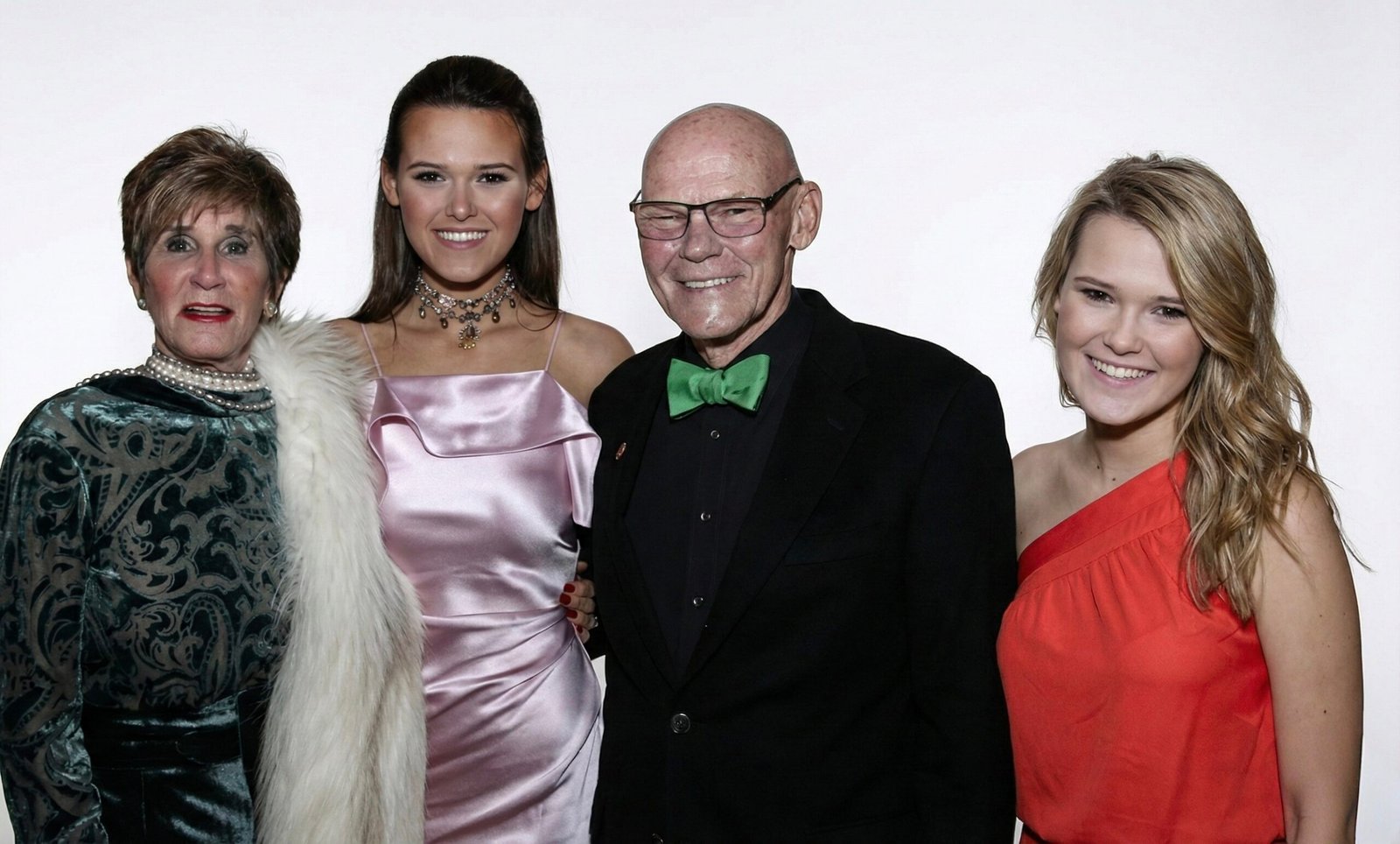
Emerson Normand Carville, widely known as Emma Carville, comes from a household that shaped major conversations in American politics. Her parents, James Carville and Mary Matalin, built influential careers on opposite ends of the political spectrum. Emerson grew up in the middle of that high-profile world, yet she consistently chose privacy, balance, and independence over public exposure. Her story highlights a young woman who values normalcy while still honoring a family legacy that millions recognize.
Quick Profile Overview Emerson Normand Carville
| Detail | Information |
|---|---|
| Full Name | Emerson Normand Carville |
| Nickname | Emma Carville |
| Birthdate | December 29, 1999 (reported) |
| Age | Early 20s |
| Parents | James Carville & Mary Matalin |
| Sister | Matalin “Matty” Mary Carville |
| Upbringing | Virginia, USA |
| Education | Local Virginia schools, Louisiana State University |
| Interests | Lifestyle projects, creative business ideas |
Growing Up in a Politically Dynamic Home
Emerson spent her childhood in Virginia, where her home often filled with political discussions, interviews, and national media attention. Her parents worked in different political parties, but they created a family environment that encouraged open conversation and curiosity rather than division. Emerson learned early how to think independently and build her own views.
Her upbringing reflected warmth, humor, and strong family values. James and Mary focused on raising their daughters with stability and real-world awareness. Emerson grew up surrounded by bold personalities and strong ideas, yet she shaped her identity through quiet observation and thoughtful engagement rather than stepping into the spotlight.
People Read Also: Calesshop
Education and Academic Path at LSU
Emerson later continued her studies at Louisiana State University, the same university her father attended. LSU gave her a new environment away from the media attention that surrounded her in childhood. She explored new interests, expanded her academic experiences, and built connections outside her family’s political reputation.
Her time at LSU strengthened her confidence and independence. She focused on personal growth, learning, and building skills that support her future projects. She approached university life with determination and curiosity, which shaped her maturity and direction after graduation.
Emerson Normand Carville Relationship With Her Family and Sister
Emerson shares a close bond with her older sister, Matalin Mary Carville. The sisters grew up participating in family traditions, debates, and humor-filled conversations that often reflected their parents’ dynamic personalities. Despite their family’s public visibility, both sisters built low-key lifestyles driven by their interests rather than their last name.
Her relationship with her parents also reflects balance and respect. James Carville’s outspoken energy and Mary Matalin’s strategic sharpness never overshadowed Emerson’s individuality. Instead, they encouraged her to follow her own ideas and explore her personal strengths.
Personal Interests and Growing Career Direction
After college, Emerson started shaping her own path by exploring lifestyle-focused ideas, creative business concepts, and entrepreneurial interests. She approaches work with a flexible and modern mindset, choosing projects that match her personal values rather than following traditional career expectations.
She prefers meaningful experiences over public attention. Emerson values privacy, growth, and authenticity, and she builds her future around those principles. Her early direction shows a young woman who thinks deeply about her choices and acts with intention.
Influence of Her Parents’ Legacy
Emerson respects her parents’ achievements, but she does not rely on their political fame to define her life. She understands the weight of their public roles, yet she carves her identity outside politics. Her father, known for his strategic brilliance, and her mother, respected for her communications expertise, shaped her worldview, but they never limited her journey.
She admires their success, but she chooses a quieter and more introspective direction—one that highlights her independence and personal vision.
Public Presence and Media Visibility
Emerson keeps a minimal public presence. She rarely uses social media for attention, and she avoids interviews or features that focus on her family background. When her name appears online, it usually relates to her parents’ profiles or brief mentions in family-related segments.
Her choice to maintain a low profile creates curiosity but also reflects strength. She values privacy in a world where most public figures share every detail of their lives. Her quiet approach allows her to move freely, experiment with new ideas, and grow without external pressure.
Lesser-Known Facts About Emerson Normand Carville
She grew up in a bipartisan household yet learned to form her own perspectives.
She chose LSU partly because of family ties but used the experience to build her independence.
She supports creative and lifestyle-centered projects rather than political roles.
She focuses on meaningful personal growth rather than public recognition.
A Snapshot of Emerson’s Journey
Childhood:
Lives in Virginia, grows in a politically iconic family, develops early intellectual curiosity.
Teen Years:
Learns to balance privacy with her family’s public reputation.
University Phase:
Studies at Louisiana State University, expands her academic and social world.
Young Adulthood:
Explores entrepreneurial ideas and creative projects while shaping her personal identity.
Frequently Asked Questions
1. Who are Emerson Normand Carville’s parents?
James Carville and Mary Matalin, two of America’s most recognized political consultants.
2. Why does Emerson keep a low profile?
She values privacy and prefers to build her life away from the spotlight.
3. Did Emerson Carville attend LSU?
Yes, public records and media references link her to Louisiana State University.
4. What does she pursue in her career?
She explores lifestyle projects, entrepreneurship, and personal development.
5. Does Emerson appear in political media?
Rarely. She avoids political roles and public appearances unless they relate to family contexts.
Conclusion
Emerson Normand Carville represents a modern generation that values independence, authenticity, and thoughtful decision-making. She grew up in a household that shaped American political history, but she chooses a quieter, self-driven path. Her story continues to unfold as she explores new ideas, builds her own career direction, and maintains a grounded lifestyle rooted in privacy, purpose, and individuality.
Read more About Businessdicker.com

Introduction
Vera Davich is a name that occasionally surfaces in conversations about celebrity relationships, yet her story is far more nuanced than a simple footnote in someone else’s fame. In a world where public figures are often defined by headlines and speculation, vera davich represents the opposite: privacy, restraint, and the conscious choice to live away from constant attention. This article explores who she is, why public interest persists, and what her story reveals about identity, relationships, and life beyond the spotlight. By the end, readers will gain a clear, respectful understanding of her background, her brief connection to Hollywood, and the broader lessons her life quietly offers.
Who Is Vera Davich?
Vera Davich is best known to the public through her past marriage to actor Scott Patterson, widely recognized for his role as Luke Danes on Gilmore Girls. Unlike many individuals linked to entertainment figures, she never pursued public attention or media exposure. Her life has largely remained private, which has only deepened curiosity over the years.
Will You Check This Article: Antonimar Mello: Identity, Influence, and Modern Context
What makes her story compelling is not notoriety, but contrast. While many people connected to famous partners leverage that visibility, she chose a different path. Her limited public footprint reflects a deliberate decision to value personal boundaries over recognition.
Basic Information at a Glance
| Detail | Information |
|---|---|
| Full Name | Vera Davich |
| Known For | Former spouse of actor Scott Patterson |
| Public Presence | Extremely limited |
| Media Appearances | None known |
| Current Status | Private citizen |
This lack of public documentation is not accidental. It underscores a life lived intentionally outside celebrity culture.
Early Life and Personal Background
Very little verified information exists about Vera Davich’s early life, upbringing, or family background. This absence is significant. In an age where personal histories are often easily accessible, her story reminds readers that not every life connected to fame becomes public property.
What can be reasonably inferred is that she lived a conventional life before her marriage. She was not a public figure, entertainer, or media personality. This context helps explain why, after her divorce, she returned seamlessly to private life without interviews or public statements.
Her early years, though undocumented, likely shaped her preference for discretion. Many people who value privacy develop that instinct long before encountering public attention.
Marriage to Scott Patterson and Public Attention
Vera Davich entered public awareness through her marriage to Scott Patterson in the early 1980s, long before his rise to television stardom. At the time, Patterson was still finding his footing professionally, and the marriage occurred outside the glare of mainstream media.
The relationship was reportedly short-lived, ending in divorce after a brief period. Importantly, the separation happened before Patterson became a household name. This timing matters because it meant Davich never experienced the sustained pressure of being married to a high-profile celebrity.
Despite this, curiosity has followed her name for decades. Fans often search for information, hoping to understand her role in Patterson’s life or uncover hidden drama. Yet no credible accounts suggest scandal or public conflict. Instead, the marriage appears to have been a private chapter that simply didn’t endure.
Life After Divorce: Choosing Privacy
After the divorce, Vera Davich effectively disappeared from public discourse. There were no interviews, no memoirs, and no social appearances tied to Hollywood. This choice stands in sharp contrast to the modern expectation that anyone linked to fame should maintain some level of visibility.
Her absence suggests a clear boundary: personal experiences do not require public validation. In many ways, her post-divorce life is more telling than the marriage itself. By stepping away completely, she demonstrated that privacy can be preserved even when briefly connected to public figures.
This decision also protected her from the long-term scrutiny that often follows celebrity relationships. It allowed her to define herself on her own terms, rather than through association.
Why Public Interest Persists
The continued interest in vera davich may seem puzzling at first. She has not released statements, pursued public projects, or engaged with media narratives. Yet her name still appears in searches and discussions. Several factors explain this enduring curiosity.
First, audiences are naturally interested in the personal histories of well-known actors. Former partners become part of that story, even if they played a minor role. Second, her silence creates mystery. When information is scarce, speculation fills the gap. Finally, her story contrasts sharply with the oversharing culture that defines modern celebrity life.
This combination keeps interest alive, even in the absence of new information.
Respecting Boundaries in the Digital Age
Vera Davich’s life raises important questions about boundaries and respect. In today’s digital environment, personal details are often treated as commodities. The expectation to share, explain, and remain visible can be overwhelming.
Her example challenges that norm. She demonstrates that it is possible to disengage fully and still be remembered, albeit quietly. More importantly, it reminds audiences that curiosity does not equal entitlement. Not every story connected to fame is meant to be told in full.
Respecting such boundaries is essential for a healthier relationship between public figures, their associates, and the audience.
The Broader Meaning of Her Story
Although her public footprint is minimal, Vera Davich’s story carries broader meaning. It highlights the difference between visibility and significance. A person does not need constant attention to live a meaningful life.
Her experience also illustrates how relationships evolve. Not all marriages are lifelong, and their endings do not require blame or spectacle. Sometimes, they simply reflect growth in different directions.
For readers, this perspective can be grounding. It reframes celebrity narratives in human terms, emphasizing choice, dignity, and restraint.
Misconceptions and Clarifications
Over time, limited information often leads to misconceptions. Some assume there must be hidden drama or unresolved conflict behind her silence. Others mistakenly believe she sought fame and failed to achieve it. Neither assumption is supported by credible evidence.
The simplest explanation is often the most accurate. Vera Davich likely never wanted public attention. Her actions consistently align with that preference. By avoiding speculation and focusing on verified facts, her story becomes clearer and more respectful.
Lessons from a Life Out of the Spotlight
There are quiet lessons embedded in her life story. One lesson is the power of choice. She chose privacy repeatedly, even when curiosity surrounded her. Another lesson is the value of identity beyond relationships. While she is often referenced in connection with a famous ex-spouse, her life is not defined by that association.
These lessons resonate beyond celebrity culture. They apply to anyone navigating relationships, change, and personal boundaries in a connected world.
Conclusion
Vera Davich remains an intriguing figure precisely because she resists definition by public curiosity. Her brief connection to Hollywood contrasts sharply with her enduring commitment to privacy. Throughout this article, we’ve explored her background, her marriage, and the reasons her name still sparks interest.
The importance of her story lies not in fame, but in restraint. She reminds readers that a meaningful life does not require an audience. By valuing boundaries and choosing a quieter path, she offers a subtle yet powerful example of personal autonomy. For anyone overwhelmed by visibility or expectation, her story is a reassuring reminder that stepping back is always an option.
Frequently Asked Questions (FAQs)
Who is Vera Davich?
Vera Davich is a private individual best known for her former marriage to actor Scott Patterson. She has maintained a low profile before and after that relationship.
Why is Vera Davich still searched online?
Public curiosity persists due to her association with a well-known actor and the mystery created by her intentional privacy.
Did Vera Davich work in the entertainment industry?
There is no verified information suggesting she pursued a career in entertainment or media.
Is Vera Davich active on social media?
No public or verified social media accounts are known, reinforcing her preference for privacy.
What can be learned from Vera Davich’s story?
Her life highlights the importance of personal boundaries, the value of privacy, and the ability to define oneself beyond public associations.