Business
E‑Target Limited: Everything You Need to Know About This Fulfillment Company


1. Why This Matters
If you’ve ever received a parcel with the name E‑Target Limited on the label, you might have wondered who they are and why they’re handling your order. It can be confusing since you didn’t order from a company called E‑Target. However, understanding who they are, how they operate, and why you might see their name on your delivery is crucial for both consumers and online retailers. In this article, we will dive into everything you need to know about E‑Target Limited and how they fit into the broader world of e-commerce fulfillment.
2. What is E‑Target Limited?
E‑Target Limited is a UK-based company that provides fulfillment and logistics services for online retailers. While you might not have directly interacted with them, they often handle the picking, packing, and shipping of orders for various online stores. Many e-commerce businesses partner with fulfillment companies like E‑Target to streamline their logistics, improve delivery times, and reduce overhead costs.
The company was incorporated in 2010 and is registered in the UK, where it operates as a fulfillment service provider rather than a direct retailer. This means that when you purchase an item from a retailer who uses E‑Target, your order is likely processed and shipped by E‑Target, even though you purchased it through another brand.
3. How the Fulfillment Process Works
Here’s how it typically works:
- Order Placement: You place an order from an online retailer.
- Fulfillment by E‑Target: The retailer uses E‑Target’s warehouse and fulfillment services. E‑Target stores the products, picks the items from inventory, packs them, and ships them directly to you.
- Shipping Label: When the order is ready to ship, E‑Target generates a shipping label. The name on the label might read E‑Target Limited instead of the retailer’s brand.
- Delivery: Your parcel arrives, and you might be surprised to see E‑Target’s name, not the brand you purchased from.
This system helps businesses save time and resources, as they don’t need to manage the warehousing, packaging, or delivery themselves. Instead, they can rely on companies like E‑Target to handle the logistics.
4. Legitimacy and Company Information
E‑Target Limited is a legitimate business, registered in the UK under company number 07242152. They provide genuine fulfillment services to online retailers, and their role is to ensure timely delivery of products. However, since they operate behind the scenes, most customers won’t recognize their name unless it appears on a shipping label.
Despite their legitimacy, confusion can arise when customers receive parcels from E‑Target but don’t remember ordering from them directly. This is especially common when the retailer doesn’t make it clear that a third-party fulfillment service like E‑Target will be handling the order.
5. Risks, Complaints, and Red Flags
While E‑Target itself is a legitimate fulfillment company, there are certain risks and issues to be aware of:
Red Flags to Watch Out For:
- Unsolicited Parcels: If you receive a parcel from E‑Target and you didn’t order anything, it may be a case of “brushing” (a practice where sellers send products to fake buyers to boost their ratings).
- Tracking Confusion: Sometimes, the tracking number provided by E‑Target may not align with what you expected, leading to delays or confusion.
- Scam Attempts: Scammers may use E‑Target’s name to send fake delivery notifications, asking for personal details or payment for a product you didn’t order.
While these issues are rare, it’s important to stay vigilant and report any suspicious activity to your original retailer or the delivery service.
6. What to Do if You Get a Parcel from E‑Target
If you receive a parcel from E‑Target but don’t remember placing an order, follow these steps:
- Check Your Order History: Confirm that you ordered something from the retailer that uses E‑Target for fulfillment.
- Verify Tracking Information: Visit the carrier’s website to confirm the tracking number and see where it originated from.
- Inspect the Parcel: Open the package and check the contents to ensure it matches what you ordered.
- Contact the Retailer: If the parcel is damaged, incorrect, or you didn’t order it, contact the retailer directly for clarification or a resolution.
- Report Unsolicited Parcels: If you receive an unsolicited parcel and you didn’t place the order, it’s important to report it to the retailer and check for any potential fraudulent activity.
It’s also a good idea to monitor your financial accounts and credit reports in case of identity theft.
7. Implications for Retailers and Customers
For retailers, using a third-party fulfillment provider like E‑Target can significantly reduce overhead costs, improve shipping times, and free up resources to focus on other aspects of the business. However, it’s important for retailers to make sure their customers are aware that their orders may be fulfilled by third-party companies to avoid confusion.
For customers, it’s essential to understand that the name on the parcel may not match the store you purchased from. This isn’t typically a cause for concern, but it’s a good idea to be aware of who is handling your order and to reach out to the original retailer if you have any issues.
8. Conclusion
In conclusion, E‑Target Limited is a reputable fulfillment company that handles the logistics for many online retailers. While you might not recognize their name, they play an essential role in ensuring timely delivery of your online orders. If you receive a parcel from E‑Target and you’ve made an order recently, it’s likely just part of the fulfillment process. However, if you receive an unsolicited parcel or encounter any issues, make sure to verify the details with the retailer.
By understanding how fulfillment companies like E‑Target work, you can shop online with greater confidence and avoid unnecessary confusion.
Call to Action: If you want to learn more about third-party fulfillment and how it impacts your e-commerce shopping experience, check out our guide on fulfillment services

The ashcroft capital lawsuit has become a topic of intense discussion among real estate investors, legal analysts, and passive income seekers alike. When a well-known multifamily investment firm faces legal scrutiny, it naturally raises questions about transparency, risk, and investor protection. This article explores the background, key allegations, legal context, and broader implications of the ashcroft capital lawsuit in a clear, balanced, and easy-to-follow way. By the end, you’ll understand why the issue matters, what’s known so far, and how similar disputes can affect investment decisions going forward.
Understanding Ashcroft Capital and Its Business Model
Ashcroft Capital is widely recognized in the U.S. multifamily real estate space. Founded with a focus on value-add apartment investments, the firm has attracted thousands of passive investors seeking steady cash flow and long-term appreciation.
Who Is Ashcroft Capital?
| Aspect | Details |
|---|---|
| Company Type | Multifamily real estate investment firm |
| Core Strategy | Value-add apartment acquisitions |
| Investor Base | Passive and accredited investors |
| Primary Markets | Sun Belt and high-growth U.S. regions |
The company typically raises capital through syndications, pools investor funds, and manages properties with the goal of improving operations and increasing value over time.
Why Legal Issues Matter in Real Estate Investing
Real estate syndications rely heavily on trust. Investors often don’t manage day-to-day operations, so disclosures, forecasts, and governance structures carry extra weight. When disputes arise, they can ripple across the industry, influencing how future deals are structured and evaluated.
Will You Check This Article: Why I’m Building CapabiliSense: Turning Human Potential Into Measurable Progress
What Sparked the Ashcroft Capital Lawsuit?
The ashcroft capital lawsuit did not appear in a vacuum. Like many investment-related disputes, it reportedly stems from disagreements between investors and management over expectations versus outcomes.
Allegations at a Glance
While details vary depending on filings and jurisdictions, reported claims have centered on issues such as projected returns, operational decisions, and the communication of risks. Importantly, allegations are not the same as proven facts. Courts and arbitration panels exist to sort through evidence and determine outcomes.
Common Triggers in Investment Lawsuits
Investment-related lawsuits often arise from a familiar pattern:
- Market conditions shift faster than expected.
- Returns fall short of projections.
- Investors feel disclosures were unclear or incomplete.
These dynamics help explain why even established firms can face legal challenges during volatile economic periods.
Legal Framework Surrounding Investment Disputes
To understand the ashcroft capital lawsuit, it helps to know how these cases are usually handled under U.S. law.
Securities Laws and Fiduciary Duties
Real estate syndications often fall under securities regulations. Sponsors typically owe investors duties of good faith, fair dealing, and full disclosure. If investors believe these duties were breached, legal action may follow.
Litigation vs. Arbitration
Many investment agreements require disputes to be resolved through arbitration rather than open court. Arbitration can be faster and more private, but outcomes still carry significant financial and reputational consequences.
Timeline and Current Status of the Case
Publicly available information suggests that the ashcroft capital lawsuit has unfolded over multiple stages rather than as a single event.
Key Phases Explained
| Phase | What It Means |
|---|---|
| Initial Complaints | Investors raise formal concerns |
| Legal Filings | Claims submitted to courts or arbitrators |
| Discovery | Exchange of documents and evidence |
| Resolution | Settlement, dismissal, or ruling |
Because cases evolve, the status can change as new information emerges. Readers should be cautious about drawing conclusions from early-stage reports alone.
Impact on Investors and the Broader Market
Even unresolved lawsuits can influence investor behavior. The ashcroft capital lawsuit has prompted many to reassess how they evaluate passive investments.
Short-Term Effects
In the short term, legal disputes can create uncertainty. Some investors may pause new commitments, while others demand more detailed reporting and conservative assumptions.
Long-Term Industry Implications
Over time, cases like this often lead to better documentation, clearer risk disclosures, and more realistic projections across the industry. In that sense, legal scrutiny can drive positive change.
Lessons for Passive Investors
One of the most valuable outcomes of studying the ashcroft capital lawsuit is the set of lessons it offers, regardless of the final outcome.
Due Diligence Still Matters
No matter how strong a brand appears, investors benefit from reading offering documents carefully and understanding downside scenarios.
Communication Is Key
Clear, ongoing communication can prevent misunderstandings from escalating into legal disputes. Investors should prioritize sponsors who provide regular, transparent updates.
How Firms Can Reduce Legal Risk
From the sponsor’s perspective, lawsuits are costly and distracting. Many firms take proactive steps to reduce exposure.
Best Practices in Investment Management
- Conservative underwriting assumptions
- Plain-language risk disclosures
- Regular performance reporting
These practices don’t eliminate risk, but they can reduce misunderstandings and build long-term trust.
Media Coverage and Public Perception
Public discussion around the ashcroft capital lawsuit highlights how quickly narratives can form. Headlines often simplify complex disputes, which can mislead readers.
Separating Fact From Speculation
It’s wise to distinguish between verified filings and commentary. Legal processes take time, and early reports rarely tell the full story.
Conclusion
The ashcroft capital lawsuit serves as a reminder that real estate investing, while powerful, is never risk-free. Understanding the business model, the legal framework, and the nature of investor disputes helps bring clarity to an otherwise emotional topic. For investors, the key takeaway is simple: diligence, patience, and clear communication matter. For the industry, cases like this can encourage higher standards and stronger relationships. Staying informed and level-headed is the most reliable way to navigate uncertainty and make confident investment decisions.
Frequently Asked Questions (FAQs)
1. What is the ashcroft capital lawsuit about?
It involves investor claims related to disclosures, performance expectations, and management decisions. Allegations are still subject to legal review.
2. Does a lawsuit mean wrongdoing is proven?
No. A lawsuit represents claims, not conclusions. Courts or arbitrators determine outcomes based on evidence.
3. How can investors protect themselves in similar deals?
By reviewing documents carefully, asking questions, and understanding both upside and downside scenarios before investing.
4. Are real estate syndication lawsuits common?
They’re not unusual, especially during economic shifts that impact returns and valuations.
5. Should current investors be worried?
Concern levels vary by individual situation. Staying informed and communicating with sponsors is usually the best first step.
Introduction
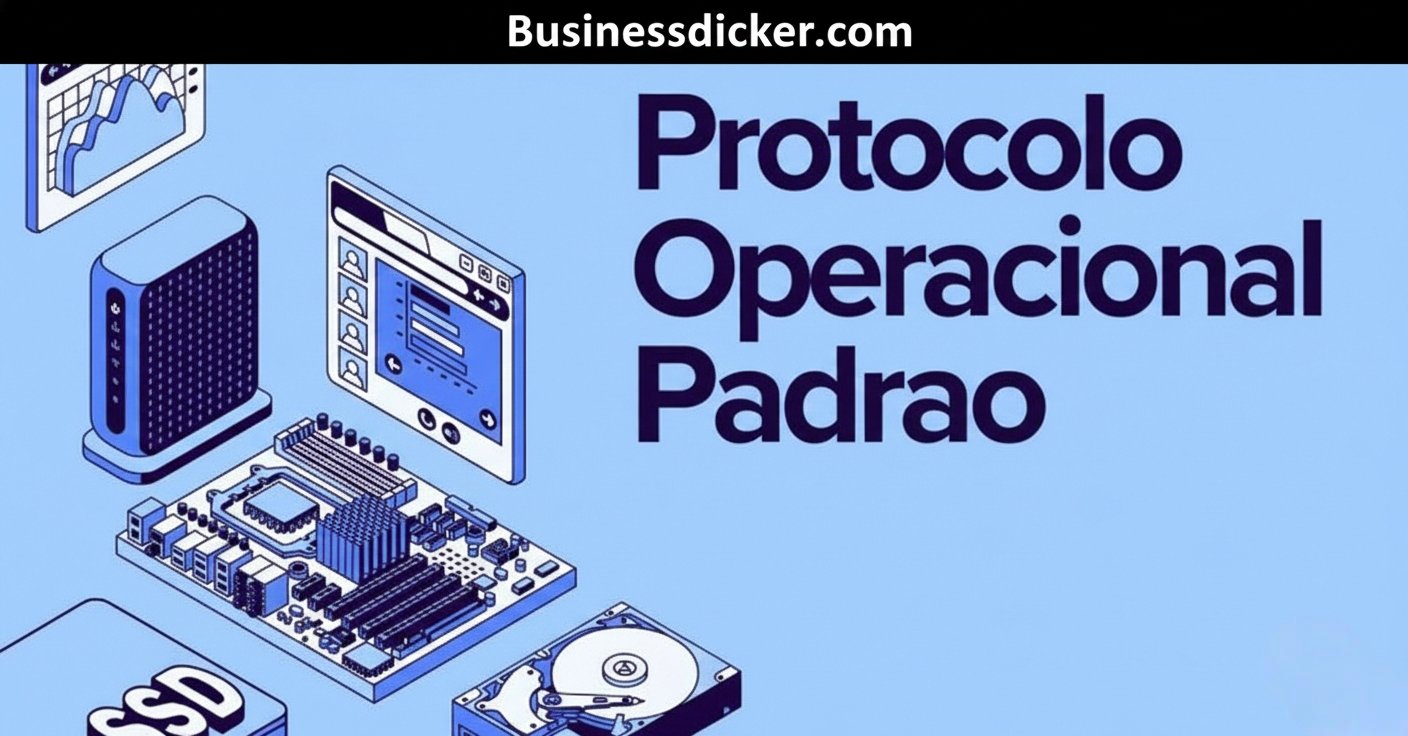
Every successful organization relies on clarity, consistency, and trust in daily operations. That’s exactly where protocolo operacional padrao comes in. In simple terms, it’s a structured way to document how tasks should be performed, step by step, so results stay predictable and safe. Whether you’re managing a hospital, factory, office, or service business, this concept shapes how people work together. In this guide, you’ll learn what a protocolo operacional padrao truly means, why it matters across industries, how it’s created, and how it evolves over time. By the end, you’ll see why it’s not just paperwork, but a foundation for quality, accountability, and growth.
What Is a Protocolo Operacional Padrao?
A protocolo operacional padrao, often known globally as a standard operating protocol, is a documented set of instructions designed to ensure uniformity in performing a specific task. It removes ambiguity and replaces guesswork with clarity. Instead of relying on individual memory or habits, teams follow an agreed-upon process that reflects best practices.
Will You Check This Article: Frank Lucas Wife: The Untold Story of Julianna Farrait
At its core, it’s about alignment. When everyone understands how something should be done, mistakes drop, efficiency rises, and outcomes become reliable. This applies whether the task is administering medication, processing customer orders, or maintaining equipment.
The strength of a protocolo operacional padrao lies in its practicality. It doesn’t exist to limit creativity but to protect critical processes where consistency truly matters.
Why Protocolo Operacional Padrao Matters in Real Life
Consistency is the backbone of trust. When customers, patients, or partners interact with an organization, they expect the same level of quality every time. A protocolo operacional padrao helps deliver that promise by standardizing actions across people and shifts.
Another key reason is safety. In environments like healthcare, manufacturing, or logistics, small deviations can lead to serious consequences. Clear protocols reduce risk by guiding decisions during routine tasks and emergencies alike.
Finally, it supports learning and onboarding. New team members don’t have to rely solely on verbal instructions. They gain confidence faster when expectations are documented clearly and logically.
Core Elements of an Effective Protocolo Operacional Padrao
An effective protocol is more than a checklist. It’s a living document that balances detail with usability. Clarity is the first requirement. Language should be simple, direct, and free from unnecessary jargon, making it accessible to everyone involved.
Structure is equally important. Each step should follow a logical sequence, explaining not just what to do, but when and why it matters. This context helps users adapt responsibly if unexpected situations arise.
Accuracy and relevance complete the picture. A protocolo operacional padrao must reflect current realities, tools, and regulations. Outdated instructions can be more dangerous than having no protocol at all.
Industries That Depend on Protocolo Operacional Padrao
The beauty of a protocolo operacional padrao is its universal application. In healthcare, it guides clinical procedures, infection control, and patient safety routines. These protocols often mean the difference between life and death.
In manufacturing, protocols control quality, machine operation, and maintenance schedules. They help reduce waste, prevent accidents, and maintain product standards. Even creative industries rely on protocols to manage workflows, approvals, and client communication.
Service-based businesses also benefit. From customer support scripts to complaint handling procedures, standardized processes ensure fairness and efficiency without sacrificing empathy.
How a Protocolo Operacional Padrao Improves Decision-Making
Decision-making becomes easier when boundaries are clear. A protocolo operacional padrao defines acceptable actions and responses, especially in high-pressure situations. Instead of pausing to debate every move, teams act with confidence.
This doesn’t remove human judgment. Instead, it supports it. When people understand the standard, they can identify when a situation truly requires escalation or deviation.
Over time, this shared understanding builds a culture of responsibility. Decisions become consistent, transparent, and easier to review or improve later.
Creating a Protocolo Operacional Padrao from Scratch
Building a protocol starts with observation. You must understand how tasks are currently performed and identify best practices. This often involves experienced staff who know the process deeply.
Next comes documentation. Each step should be written clearly, in the order it occurs, with defined roles and responsibilities. Testing the draft in real conditions helps reveal gaps or confusion.
Finally, validation is essential. Stakeholders should review and approve the protocol before it becomes official. This step builds ownership and ensures alignment across teams.
Common Mistakes When Implementing Protocols
One frequent mistake is overcomplication. If a protocolo operacional padrao is too long or complex, people will avoid using it. Simplicity encourages adoption and consistency.
Another issue is lack of training. Even the best-written protocol fails if users don’t understand it. Introducing protocols without explanation creates resistance and errors.
Ignoring feedback is equally harmful. Protocols must evolve. When frontline workers point out issues, their insights should drive updates rather than being dismissed.
Adapting Protocols to Different Environments
No two organizations are identical. A protocolo operacional padrao must respect local context, culture, and resources. What works in a large corporation may not suit a small team.
Adaptation doesn’t mean lowering standards. It means translating the same principles into practical steps that fit the environment. This flexibility increases relevance and compliance.
Regular reviews help maintain this balance. As technology, regulations, or workflows change, protocols should adapt accordingly.
Case Study: Protocols in Healthcare Settings
In a busy hospital, standardized protocols guide everything from patient admission to emergency response. One well-documented protocol for hand hygiene, for example, has been shown to reduce infection rates significantly.
Staff know exactly when and how to perform each action. New hires integrate faster, and audits become simpler. The protocol doesn’t replace professional judgment, but it ensures a safe baseline for all patients.
This example highlights how a protocolo operacional padrao can directly impact outcomes, not just efficiency.
Measuring the Effectiveness of a Protocolo Operacional Padrao
Effectiveness isn’t assumed; it’s measured. Organizations often track error rates, incident reports, or performance metrics before and after implementation.
Feedback sessions also matter. When users feel heard, protocols improve faster and adoption increases. Data combined with human insight creates a complete picture.
The goal isn’t perfection, but continuous improvement guided by real-world results.
Key Differences Between Informal Practices and Formal Protocols
To clarify the distinction, the table below highlights how structured protocols differ from informal routines.
| Aspect | Informal Practices | Protocolo Operacional Padrao |
|---|---|---|
| Consistency | Varies by individual | Uniform across teams |
| Documentation | Often undocumented | Clearly documented |
| Training | Learned by observation | Structured onboarding |
| Risk Control | Higher uncertainty | Reduced errors and risk |
| Accountability | Hard to measure | Easy to audit and improve |
This comparison shows why formal protocols provide stability without eliminating flexibility.
Maintaining and Updating Protocols Over Time
A protocolo operacional padrao should never be static. Regular reviews ensure it stays relevant and effective. Many organizations schedule annual or semi-annual updates.
Changes should be communicated clearly. When people understand why updates happen, they’re more likely to follow them. Version control also helps avoid confusion.
Over time, this cycle of review and improvement strengthens both the protocol and the organization’s culture.
Conclusion
A protocolo operacional padrao is far more than a document. It’s a shared agreement on how work gets done safely, consistently, and effectively. From reducing errors to building trust and supporting growth, its impact reaches every level of an organization. By creating clear, practical, and adaptable protocols, teams gain confidence and clarity in their daily work. When maintained thoughtfully, these protocols become living tools that evolve alongside the organization, supporting excellence for years to come.
Frequently Asked Questions (FAQs)
What is the main purpose of a protocolo operacional padrao?
Its main purpose is to standardize tasks so outcomes remain consistent, safe, and reliable across different people and situations.
Is a protocolo operacional padrao only used in healthcare?
No, it’s used in many fields, including manufacturing, services, education, and corporate operations.
How often should protocols be reviewed?
Most organizations review them at least once a year or whenever major changes occur in processes or regulations.
Can protocols limit flexibility at work?
When written well, they support flexibility by setting clear boundaries while allowing informed judgment when needed.
Who should be involved in creating a protocol?
Experienced staff, supervisors, and decision-makers should collaborate to ensure accuracy, practicality, and acceptance.

Introduction
Property ownership is exciting, but it can also feel overwhelming. From sudden leaks to long-term renovation plans, every building needs constant attention. That’s where fangchanxiu. com comes into the picture. This platform has become a helpful reference point for people who want clearer, simpler, and more reliable ways to understand property repair, renovation, and maintenance. In this article, you’ll learn what fangchanxiu. com is about, how it fits into modern property care, and why it matters to homeowners, investors, and professionals alike.
Owning or managing property isn’t just about fixing what’s broken. It’s about making informed decisions, saving money over time, and avoiding stress. By the end of this guide, you’ll have a deeper understanding of how platforms like fangchanxiu. com support smarter property choices in today’s fast-moving housing environment.
What Is fangchanxiu. com?
At its core, fangchanxiu. com is a digital platform focused on property repair, renovation knowledge, and practical guidance. The name itself reflects its purpose: “fangchan” refers to property or real estate, while “xiu” points to repair or improvement. Together, they signal a space dedicated to keeping homes and buildings functional, safe, and valuable.
Will You Check This Article: IT Wordsearch: A Deep Dive Into Learning Through Puzzles
Unlike traditional service listings, fangchanxiu. com emphasizes understanding. It brings together explanations, examples, and real-world scenarios that help users recognize problems before they grow. For many readers, it acts like a trusted guide rather than a sales pitch.
Quick Overview of fangchanxiu. com
| Aspect | Details |
|---|---|
| Platform Type | Informational property care website |
| Core Focus | Home repair, renovation, maintenance |
| Primary Audience | Homeowners, landlords, investors |
| Content Style | Practical, experience-driven insights |
| Main Value | Better decisions, reduced property risk |
This table highlights why the platform appeals to a broad audience. It’s not limited to one type of property or user.
Why Property Repair Knowledge Matters More Than Ever
Modern buildings are complex systems. Plumbing, electrical work, insulation, and structural elements all interact. A small oversight in one area can quietly create big issues elsewhere. That’s why reliable repair knowledge has become essential, not optional.
In the past, many owners relied entirely on contractors. Today, people want to understand what’s happening behind the walls. Platforms like fangchanxiu. com respond to that need by explaining concepts in everyday language. This knowledge empowers owners to ask better questions and avoid unnecessary expenses.
Think of property care like car ownership. You don’t need to be a mechanic, but knowing warning signs can save you from breakdowns. Property works the same way, just on a larger scale.
Core Topics Covered on fangchanxiu. com
Home Repairs and Preventive Maintenance
One major area of focus is everyday repairs. These include water damage, electrical safety, aging fixtures, and surface wear. Preventive maintenance often costs less than emergency fixes, and understanding this difference can protect long-term value.
The platform explains why small cracks matter, how moisture spreads, and what early signs to watch for. This helps readers act before damage becomes visible and costly.
Renovation Planning and Decision-Making
Renovations are emotional projects. They combine personal taste, budget limits, and structural realities. Fangchanxiu. com explores how to balance these factors without regret.
Instead of promoting trends blindly, the content emphasizes suitability. A renovation that works well for one apartment may fail in another. Understanding layout, usage, and future plans is key.
Rental and Investment Property Care
For landlords and investors, maintenance decisions directly affect returns. Ignoring repairs can lead to tenant dissatisfaction or legal trouble. Over-renovating can also reduce profitability.
By discussing practical examples, fangchanxiu. com shows how to find the middle ground. The goal is durability, safety, and steady value rather than flashy upgrades.
How fangchanxiu. com Supports Smarter Choices
Information alone isn’t enough. What matters is how that information is framed and applied. Fangchanxiu. com stands out by connecting theory to real situations.
For example, instead of simply stating that waterproofing is important, the platform may describe how unnoticed leaks slowly weaken structural elements. That story-based approach makes lessons stick.
Readers often find that after spending time on the platform, they feel more confident speaking with professionals. Confidence doesn’t come from knowing everything; it comes from understanding the basics well.
Comparing Traditional Advice vs. Platform-Based Learning
| Aspect | Traditional Advice | fangchanxiu. com Approach |
|---|---|---|
| Source | Contractors, acquaintances | Centralized, topic-focused content |
| Consistency | Varies by person | More structured explanations |
| Accessibility | Limited by time | Available anytime |
| Learning Style | Reactive | Proactive and preventive |
This comparison shows why many people now turn to online knowledge hubs. They complement professional services rather than replace them.
Who Benefits Most from fangchanxiu. com?
First-Time Homeowners
New owners often feel unprepared. Everything is unfamiliar, and mistakes feel expensive. Fangchanxiu. com helps build a foundation of understanding, reducing fear and uncertainty.
Long-Term Property Owners
Even experienced owners benefit from refreshed perspectives. Building materials age, and standards change. Staying informed helps extend a property’s lifespan.
Real Estate Investors
Investors think in numbers, but those numbers depend on physical conditions. Knowing when to repair, upgrade, or wait can significantly affect returns.
Common Misunderstandings About Property Repairs
One common myth is that repairs only matter when something breaks. In reality, most damage develops slowly. Another misunderstanding is that all renovations increase value. Some changes are personal preferences, not universal improvements.
Fangchanxiu. com addresses these misconceptions gently, using examples rather than judgment. This approach encourages learning without defensiveness.
Real-World Example: Small Fix, Big Impact
Consider a homeowner who notices slight discoloration near a window. It seems cosmetic, so it’s ignored. Months later, mold appears, and insulation is compromised. Repair costs multiply.
Stories like this highlight why awareness matters. Platforms like fangchanxiu. com don’t just explain what to fix, but why timing is crucial.
The Broader Impact of Informed Property Care
When owners understand maintenance, neighborhoods improve. Buildings stay safer, disputes decrease, and resources are used more efficiently. Knowledge creates a ripple effect beyond individual homes.
This broader view is part of what makes fangchanxiu. com relevant across different property categories. It’s not tied to a single style, city, or budget level.
Conclusion
Property care is a long-term commitment, not a one-time task. From everyday repairs to major renovations, informed decisions make all the difference. fangchanxiu. com serves as a practical guide for anyone who wants to understand their property better and avoid costly mistakes.
By focusing on clarity, real-world examples, and balanced perspectives, the platform helps readers move from reactive fixes to thoughtful planning. Whether you own one home or manage multiple properties, the insights discussed here can support smarter, calmer, and more confident property care.
Frequently Asked Questions (FAQs)
What is fangchanxiu. com mainly used for?
It’s used as an informational resource for understanding property repair, renovation, and maintenance concepts in a practical way.
Is fangchanxiu. com only for homeowners?
No. Landlords, investors, and anyone involved in property care can benefit from its insights.
Does the platform replace professional contractors?
It doesn’t replace them. Instead, it helps users communicate better and make informed decisions.
Can beginners understand the content easily?
Yes. The explanations are designed to be clear and accessible, even for first-time property owners.
Why is preventive maintenance emphasized so much?
Because small, early actions usually cost less and prevent serious long-term damage.