
Health
Maximize Your Health: The Power of Testosterone Therapy for Men


As men age, many face a gradual dip in energy, muscle mass, and even mood, often attributed to decreasing testosterone levels. If you’re one of them, you might be asking: Why don’t I feel like my old self anymore? For men experiencing these symptoms, testosterone replacement therapy (TRT) could be the solution that brings back vitality and confidence.
Whether you’re struggling with fatigue, muscle loss, or diminished libido, testosterone therapy could help restore the balance in your body. Let’s explore the benefits of testosterone therapy for men and how it could enhance your overall health and well-being.
What is Testosterone Replacement Therapy (TRT)?
Testosterone replacement therapy (TRT) is a medical treatment aimed at restoring low testosterone levels in men. Testosterone is a hormone responsible for a wide range of bodily functions, including muscle growth, bone density, sexual health, and mood regulation. As men age, testosterone levels naturally decline, sometimes leading to symptoms such as fatigue, muscle weakness, and a decrease in libido.
TRT is designed to help those who have clinically low testosterone levels. A doctor will assess your symptoms and, through blood tests, determine whether TRT is right for you. It’s important to note that this treatment should only be prescribed and monitored by a healthcare professional to ensure its safety and effectiveness.
How Testosterone Therapy Helps
The benefits of testosterone therapy for men are wide-ranging. From revitalizing energy levels to improving mental clarity, TRT supports a range of health improvements. Here’s how it helps:
Increasing Energy & Vitality
One of the most noticeable benefits of testosterone therapy is the significant boost in energy levels. When your testosterone is balanced, you feel more vibrant, alert, and ready to tackle the day. Whether you’ve been struggling with fatigue or simply don’t have the energy to get through your workouts, TRT can give you the energy boost you’ve been missing.
Building & Maintaining Muscle Mass
As testosterone levels decrease with age, many men find it harder to build and maintain muscle mass. Testosterone is a key factor in muscle growth and strength. With TRT, your body can more effectively build lean muscle and prevent muscle loss. This helps not only with strength and endurance but also with fat loss, as muscle mass plays a critical role in metabolism.
Improving Bone Strength
Testosterone is vital for maintaining bone density, and low testosterone can lead to brittle bones, increasing the risk of fractures. Testosterone therapy helps strengthen bones, reducing the chances of osteoporosis and fractures as you age.
Boosting Sexual Health & Libido
A decrease in testosterone levels often leads to a drop in libido. Many men also experience erectile dysfunction or reduced sexual performance as their testosterone wanes. Testosterone replacement therapy can significantly improve sexual function, increasing desire and performance. Whether you’re dealing with ED or simply want to revitalize your sex life, TRT can provide the boost you need.
Supporting Mood & Mental Clarity
Mood swings, irritability, and even depression are common among men with low testosterone levels. As testosterone plays a significant role in mood regulation, restoring optimal levels through TRT can help stabilize your emotions. Many men report improved mental clarity, a reduction in anxiety, and an overall sense of well-being after starting TRT.
Improving Sleep Quality
Testosterone also affects sleep quality. Low levels of testosterone are associated with sleep disturbances, such as insomnia and poor sleep cycles. By balancing testosterone levels, TRT can improve sleep quality, leaving you feeling more rested and refreshed in the morning.
Enhancing Heart Health
Testosterone therapy for men has been shown to have positive effects on heart health. Low testosterone is linked to an increased risk of heart disease. By optimizing testosterone levels, TRT can support better cardiovascular health, reduce fat accumulation, and promote overall heart function.
Who Should Consider TRT?
Not every man needs testosterone therapy. TRT is primarily recommended for men who are experiencing symptoms of low testosterone, such as:
- Persistent fatigue and low energy
- Decreased muscle mass and strength
- Difficulty concentrating or poor memory
- Low libido or erectile dysfunction
- Poor sleep quality
- Mood swings or depression
If you’re experiencing one or more of these symptoms, it might be time to consider getting tested for low testosterone. However, it’s essential to consult with a healthcare provider or hormone specialist before starting any testosterone therapy treatment. They’ll help you determine whether TRT is the best course of action and guide you through the process safely.
TRT + Lifestyle Balance
While testosterone therapy can provide a major boost, it’s important to remember that TRT works best when combined with a healthy lifestyle. Proper nutrition, regular exercise, stress management, and good sleep hygiene all play a role in maintaining healthy testosterone levels.
Here’s how you can naturally support your testosterone production while undergoing TRT:
- Eat a balanced diet with plenty of protein, healthy fats, and micronutrients. Foods like lean meats, fish, and nuts can support your hormone levels.
- Exercise regularly, focusing on strength training and high-intensity interval training (HIIT), which are known to boost testosterone.
- Manage stress through mindfulness, meditation, or physical activities like yoga. High stress levels can negatively affect your testosterone production.
- Get enough sleep. Aim for 7-9 hours of quality sleep each night, as poor sleep can lower testosterone levels.
By complementing TRT with a healthy lifestyle, you can maximize the benefits of your treatment and achieve optimal health.
Conclusion
Testosterone therapy offers a powerful solution for men looking to restore their energy, strength, and vitality. Whether you’re facing the challenges of aging or simply want to improve your health, TRT can help you regain balance and confidence. From increased energy and muscle mass to enhanced mood and sexual health, the benefits of testosterone therapy are life-changing.
Take charge of your health today and explore how testosterone replacement therapy can transform your life. Regain your vitality, strength, and confidence — it’s time to feel like your best self again.
Introduction
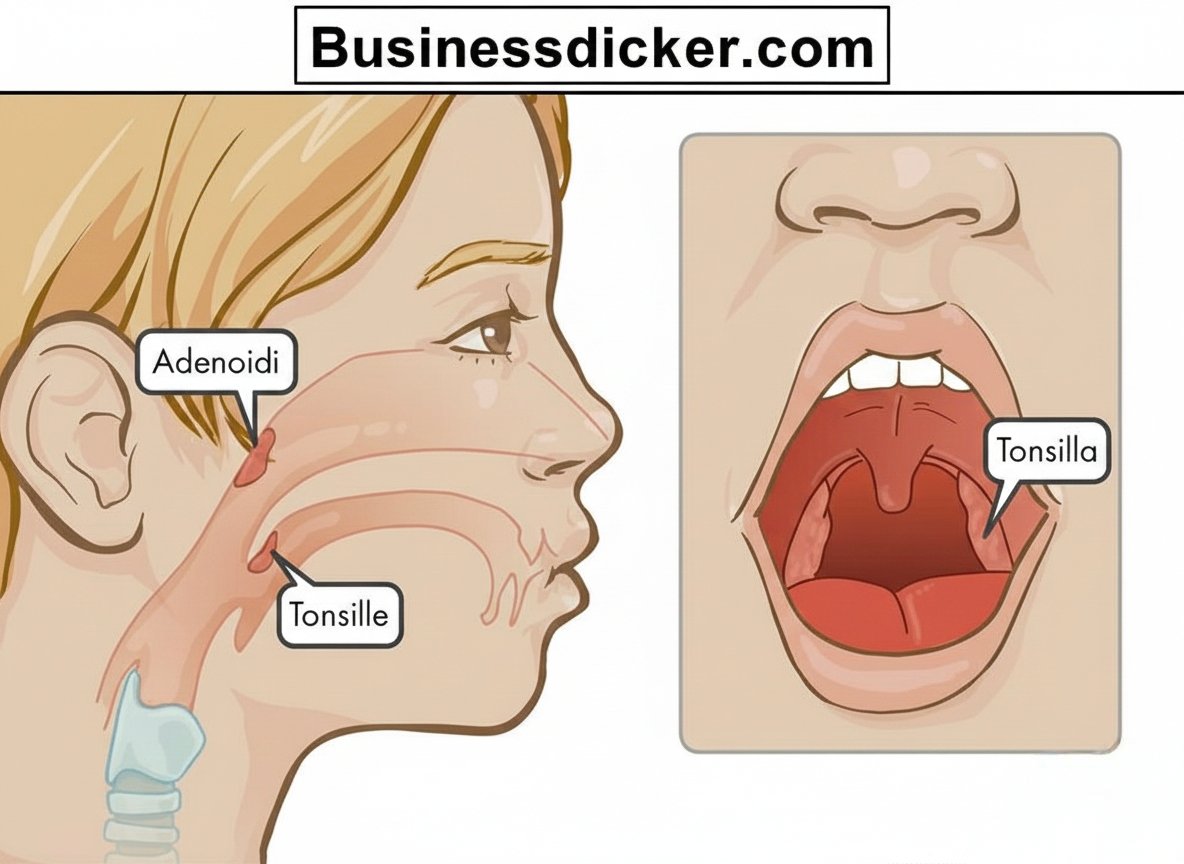
Breathing problems, frequent infections, and sleep disturbances can affect daily life, especially in children. One common but often misunderstood condition behind these issues is adenoidid. This condition involves inflammation of the adenoids, which are small tissues located behind the nose. When swollen, they can block airflow and cause repeated illness. This guide explains the condition in simple language, covering causes, symptoms, diagnosis, and treatment. Whether you are a parent, caregiver, or adult experiencing symptoms, this article will help you understand the condition clearly and confidently.
What Is Adenoidid?
Adenoids are part of the immune system and help fight infections during early childhood. Adenoidid occurs when these tissues become inflamed or infected, often due to repeated exposure to bacteria or viruses. While adenoids are useful early in life, they can cause problems when they swell too much. Enlarged adenoids may block the nasal airway, making it difficult to breathe properly. This condition is more common in children but can also affect adults. Understanding what happens inside the body helps explain why symptoms can range from mild discomfort to ongoing health problems.
Will You Check This Article: Rowdy Oxford Lawsuit: Campus Conduct and Legal Fallout
Causes of Adenoid Inflammation
The most common cause of adenoid inflammation is repeated infections of the upper respiratory tract. Colds, sinus infections, and throat infections can all trigger swelling. Allergies also play a major role, as constant nasal irritation can keep the adenoids enlarged. Environmental factors such as pollution, smoke exposure, and poor air quality may worsen symptoms. In some cases, genetics can increase the risk. When the immune system works overtime to fight germs, the adenoids may stay swollen longer than necessary, leading to ongoing discomfort and breathing difficulties.
Common Symptoms to Watch For
Symptoms often develop gradually and may be mistaken for regular colds. Persistent nasal congestion, mouth breathing, and a runny nose are common signs. Children may snore loudly or experience disturbed sleep. Ear infections and hearing problems can also occur because swollen adenoids block the Eustachian tubes. In more severe cases, facial growth changes or speech issues may appear. Recognizing these symptoms early is important, as untreated inflammation can affect sleep quality, learning ability, and overall well-being, especially during a child’s developmental years.
How Adenoidid Affects Breathing and Sleep
When the adenoids swell, airflow through the nose becomes restricted. This forces breathing through the mouth, especially during sleep. Poor airflow can lead to snoring and, in severe cases, sleep-disordered breathing. Lack of quality sleep may cause daytime fatigue, irritability, and difficulty concentrating. Children may show behavioral changes or poor school performance. Over time, chronic breathing issues can strain the body and affect growth. Addressing breathing problems early helps restore normal sleep patterns and improves overall health.
Diagnosis and Medical Evaluation
Doctors usually begin with a physical examination and review of symptoms. A nasal examination or small camera may be used to view the adenoids directly. Imaging tests like X-rays can help determine their size. Hearing tests are often recommended if ear problems are present. A correct diagnosis of adenoidid ensures that treatment targets the real cause of symptoms. Accurate evaluation also helps rule out other conditions with similar signs, such as sinus infections or nasal polyps, ensuring safe and effective care.
Treatment Options and Management
Treatment depends on symptom severity and frequency. Mild cases may improve with medications such as nasal sprays, antihistamines, or antibiotics if infection is present. Managing allergies and improving indoor air quality can also help reduce swelling. In persistent or severe cases, surgery to remove the adenoids may be recommended. This procedure is common, safe, and often brings lasting relief. A personalized treatment plan, guided by a healthcare professional, ensures the best outcome with minimal disruption to daily life.
Home Care and Prevention Tips
Simple home care measures can reduce discomfort and prevent recurrence. Encouraging good hygiene, such as regular handwashing, lowers infection risk. Keeping the home free from smoke and allergens supports healthy breathing. Adequate hydration and balanced nutrition strengthen the immune system. Using a humidifier can ease nasal dryness and congestion. Regular medical checkups help monitor symptoms. Preventive care plays a key role in reducing flare-ups and maintaining long-term respiratory health.
When to See a Doctor
Medical advice should be sought if symptoms persist for more than a few weeks or worsen over time. Difficulty breathing, frequent ear infections, or disturbed sleep are warning signs. Early consultation prevents complications and speeds recovery. Parents should monitor changes in behavior, speech, or hearing. Adults experiencing chronic nasal blockage or snoring should also seek evaluation. Timely care ensures that adenoidid does not interfere with quality of life or long-term health.
Conclusion
Adenoid inflammation can significantly affect breathing, sleep, and overall well-being, especially in children. Understanding symptoms, causes, and treatment options empowers families to take timely action. With proper diagnosis and care, most people recover fully and regain normal breathing and sleep patterns. Awareness and preventive measures play a vital role in long-term health. If symptoms appear persistent or severe, professional medical guidance ensures safe and effective management.
Frequently Asked Questions (FAQs)
1. Is adenoidid common in children?
Yes, this condition is most common in children because adenoids are larger and more active during early childhood. As children grow, the adenoids usually shrink, reducing the risk.
2. Can adenoid problems go away on their own?
Mild inflammation may improve as infections resolve or with age. However, persistent symptoms should be evaluated to avoid complications like sleep or hearing problems.
3. Does adenoid surgery affect immunity?
Removing the adenoids does not weaken the immune system. Other immune tissues take over their function, and most patients experience fewer infections afterward.
4. Can adults develop adenoid inflammation?
Although rare, adults can experience adenoid-related issues, often linked to chronic infections or allergies. Medical evaluation is important for proper diagnosis.
5. How long does recovery take after treatment?
Recovery varies depending on treatment type. Medication may bring relief within weeks, while surgical recovery usually takes a few days with lasting improvement.

Introduction
A diag image is more than just a picture—it’s a visual shortcut to understanding complex information quickly and accurately. Whether you encounter a diag image in healthcare, engineering, education, or everyday problem-solving, it plays a vital role in turning raw data into clear insight. In simple terms, a diag image helps people diagnose, analyze, or interpret a situation by presenting critical details visually.
In this article, you’ll learn what a diag image really means, how it’s used across different fields, why it matters so much in decision-making, and how it influences accuracy, safety, and efficiency. By the end, you’ll see why diag images have become essential tools in both professional and everyday contexts.
What Is a Diag Image?
A diag image refers to any visual representation created specifically to support diagnosis, evaluation, or analytical understanding. Unlike decorative images, its purpose is functional. It exists to explain, reveal, or confirm something that may be difficult to understand through words or numbers alone.
Will You Check This Article: Rowdy Oxford Lawsuit: Campus Conduct and Legal Fallout
At its core, a diag image transforms hidden or complex information into something visible and interpretable. This could mean highlighting internal structures, showing relationships between components, or exposing patterns that aren’t obvious at first glance. The strength of a diag image lies in clarity—it reduces uncertainty and guides informed action.
People often underestimate how much visual clarity improves accuracy. A well-designed diag image can eliminate guesswork, reduce errors, and speed up comprehension in situations where time or precision matters.
Key Characteristics of an Effective Diag Image
Not every image qualifies as a diag image. What sets it apart is intention and structure. A true diag image is built with analysis in mind, not aesthetics alone.
First, it emphasizes relevant details while minimizing distractions. Colors, labels, and contrast are chosen carefully to draw attention to what matters most. Second, it follows a logical layout that mirrors how the viewer thinks or works through a problem. Finally, it maintains accuracy. Even small distortions in a diag image can lead to incorrect conclusions.
When these elements work together, the image becomes a reliable reference point rather than just a visual aid.
Common Types of Diag Image Across Industries
Diag images are used far beyond a single profession. Their flexibility allows them to adapt to many fields, each with its own needs and standards.
Diag Image in Healthcare
In healthcare, a diag image is often associated with medical imaging. These images help professionals identify injuries, diseases, or abnormalities inside the body. Instead of relying on symptoms alone, clinicians use visual evidence to confirm conditions and plan treatment.
The value here is precision. A single diag image can reveal early warning signs that might otherwise go unnoticed. It also allows multiple experts to review the same visual data, improving collaboration and outcomes.
Diag Image in Engineering and Technology
Engineers rely on diag images to understand how systems function and where problems occur. Circuit diagrams, structural scans, and component layouts all serve diagnostic purposes. When something fails, a diag image helps isolate the cause without dismantling an entire system.
This visual approach saves time, reduces costs, and improves safety. It allows engineers to test assumptions visually before making physical changes.
Diag Image in Education and Training
Learning complex concepts becomes easier when abstract ideas are visualized. In education, a diag image breaks down processes, relationships, and sequences into digestible visuals. Students grasp ideas faster when they can see how parts connect.
This is especially valuable in science, mathematics, and technical training, where concepts often build on one another. A strong diag image acts like a mental map, guiding learners step by step.
Comparison of Common Diag Image Types
| Diag Image Type | Primary Purpose | Typical Users | Key Benefit |
|---|---|---|---|
| Medical Imaging | Identify health conditions | Doctors, radiologists | Accurate diagnosis |
| Technical Diagrams | Analyze system behavior | Engineers, technicians | Faster troubleshooting |
| Process Diagrams | Explain workflows | Educators, managers | Clear understanding |
| Analytical Charts | Reveal patterns or trends | Analysts, researchers | Better decisions |
This comparison shows how a diag image adapts to context while maintaining its core function: clarity through visualization.
Why Diag Image Matters in Decision-Making
Decisions improve when uncertainty decreases. A diag image reduces uncertainty by making invisible or complex factors visible. Instead of relying on assumptions, decision-makers can point to concrete visual evidence.
Think of it like turning on a light in a dark room. You could guess where the furniture is, or you could see it clearly and move with confidence. A diag image provides that light, especially in high-stakes environments where mistakes carry serious consequences.
It also improves communication. When teams discuss a diag image, everyone references the same visual information. This shared understanding minimizes misinterpretation and speeds up consensus.
Real-World Example: How a Diag Image Prevented Failure
Consider a manufacturing plant experiencing repeated equipment breakdowns. Written reports and sensor data didn’t reveal the issue clearly. Engineers introduced a detailed diag image showing internal stress points under operating conditions.
The image revealed a small but critical misalignment that wasn’t obvious before. Once corrected, failures stopped. This example highlights how a diag image can uncover insights that raw data alone may hide.
Creating a Reliable Diag Image
Designing a useful diag image requires thoughtful planning. The process begins with understanding the question it needs to answer. Is it meant to identify a fault, explain a process, or compare outcomes?
Next comes accuracy. Measurements, proportions, and labels must reflect reality. Simplification is helpful, but oversimplification can mislead. Finally, the image should be tested with real users. If viewers misinterpret it, the design needs refinement.
A successful diag image feels intuitive. Viewers shouldn’t struggle to understand what they’re seeing or why it matters.
Challenges and Limitations of Diag Image Use
Despite their power, diag images aren’t perfect. Misinterpretation can occur if viewers lack context or training. An image may also reflect bias based on how it’s designed or what data it includes.
Another challenge is overreliance. A diag image should support judgment, not replace it entirely. Human expertise remains essential, especially when images are ambiguous or incomplete.
Recognizing these limits helps users apply diag images responsibly and effectively.
The Future of Diag Image Technology
Advancements in visualization tools are expanding what a diag image can do. Interactive and dynamic images now allow users to explore data layers, zoom into details, and simulate outcomes. This evolution makes diag images even more powerful as analytical tools.
As technology improves, diag images will become more accessible and precise. Their role in understanding complex systems will only continue to grow.
Conclusion
A diag image is a bridge between complexity and clarity. It transforms hidden details into visible insight, helping people diagnose problems, understand systems, and make better decisions. Across healthcare, engineering, education, and beyond, diag images reduce uncertainty and improve communication.
By appreciating how diag images work and where they shine, you can use them more effectively in your own field. Whether you’re solving a technical issue or explaining a complex idea, a well-crafted diag image can be the difference between confusion and confidence.
Frequently Asked Questions (FAQs)
What does a diag image mean in simple terms?
A diag image is a visual tool designed to help analyze or diagnose a situation by showing important details clearly.
Is a diag image only used in healthcare?
No. While common in healthcare, diag images are widely used in engineering, education, research, and many other fields.
How is a diag image different from a regular image?
A diag image has a functional purpose. It’s created to explain, diagnose, or analyze rather than just to look appealing.
Can diag images be misleading?
Yes, if poorly designed or taken out of context. Accuracy and proper interpretation are essential.
Why do professionals rely so much on diag images?
Because they improve understanding, reduce errors, and support faster, more informed decision-making.

Pantagonar is emerging as a powerful natural hair repair solution for people struggling with excessive hair fall, thinning strands, and slow regrowth. In today’s fast-paced world, where stress, pollution, and poor nutrition weaken hair from the roots, the demand for clean, plant-based hair recovery formulas is stronger than ever. What makes Pantagonar stand out is its blend of traditional herbal wisdom and modern scalp-repair science. Across cultures, healthy hair has always symbolized vitality, confidence, and personal identity. Yet millions silently battle shedding every day. This article explores how this formulation is gaining attention as a natural alternative to chemical treatments. Through deep analysis, expert views, and real-world relevance, we uncover whether this solution truly delivers long-term scalp nourishment and hair strength in a sustainable way.
People also Read this: Claude Edward Elkins Jr
What is Pantagonar?
Pantagonar is a botanical-based hair restoration formula designed to target hair fall at the root level. Unlike surface-level cosmetic serums, it focuses on scalp circulation, follicle nutrition, and hormonal balance linked to hair thinning. The concept behind the formula is deeply inspired by traditional herbal medicine while using modern extraction techniques for higher absorption. It is often positioned as a natural alternative for people who want to avoid harsh chemical treatments and invasive procedures. From young adults facing stress-related hair fall to aging individuals experiencing density loss, this solution appeals to a wide audience. Its relevance lies in its promise to repair damaged follicles, revive dormant roots, and support sustainable regrowth with long-term scalp health.
Quick Bio
| Attribute | Details |
|---|---|
| Product Name | Pantagonar |
| Primary Purpose | Hair repair & hair fall control |
| Formula Type | Herbal, plant-based |
| Target Users | Men & women with hair thinning |
| Usage Method | Topical or supplement-based (varies) |
| Key Benefit | Strengthens roots & reduces shedding |
| Market Appeal | Natural hair recovery solution |
How Pantagonar Supports Hair Repair at the Root Level
Pantagonar works by addressing hair fall at its biological origin rather than masking the problem at the surface. The formulation focuses on strengthening hair follicles by improving scalp blood flow, restoring nutrient supply, and minimizing inflammation that weakens roots. LSI keyword variations such as natural hair repair solution, herbal hair strengthening, and scalp nourishment formula align closely with this benefit. By feeding the hair matrix essential botanical nutrients, the strands regain elasticity and tensile strength. Over time, weakened follicles regain stability, which directly impacts shedding reduction. Instead of forcing rapid artificial growth, this approach promotes steady, natural recovery. That slow-and-strong philosophy is what separates sustainable regrowth from temporary cosmetic improvement.
The Science Behind Its Hair Fall Control Formula
The effectiveness of hair repair solutions often depends on how well they interact with the scalp’s biological systems. Pantagonar uses plant compounds known for follicle stimulation, hormone regulation, and cellular repair. According to industry professionals, formulas that focus on reducing scalp inflammation and increasing micro-circulation tend to show stronger long-term outcomes. This scientific foundation allows nutrients to penetrate deeper into the root zone where growth actually begins. Instead of triggering sudden growth spikes that later collapse, this method stabilizes the hair cycle itself. The result is a healthier anagen phase, reduced telogen shedding, and visible density improvement with consistent use.
Why Natural Hair Repair Is Replacing Chemical Treatments
The shift toward plant-based hair care is not a trend—it is a global movement driven by safety, sustainability, and long-term effectiveness. Chemical treatments often show quick surface results but weaken follicles over time through irritation and dependency cycles. Natural hair repair systems like Pantagonar align with the body’s own regenerative rhythms. Components derived from herbs, roots, and botanical oils work in harmony with scalp enzymes. This reduces side effects such as dryness, flaking, and rebound shedding. Consumers are also becoming more ingredient-conscious, preferring formulas free from parabens, sulfates, and synthetic fragrances. The result is not just thicker hair, but a healthier scalp environment that sustains growth naturally.
User Experience, Results Timeline & Realistic Expectations
Hair repair is not an overnight miracle—it follows a biological timeline. Users typically notice reduced shedding during the first few weeks as the scalp begins stabilizing oil balance and follicle strength. Density improvements usually appear within two to three months, aligning with the natural hair growth cycle. Consistency is key because dormant follicles require continuous nourishment to re-enter the growth phase. Related topics you may explore on our site include natural hair care routines, scalp detox methods, and herbal regrowth therapies. Setting realistic expectations prevents disappointment and helps users commit to long-term scalp rehabilitation rather than chasing quick cosmetic illusions.
Who Can Benefit the Most From This Hair Recovery Formula?
Pantagonar is most suitable for individuals dealing with stress-related hair fall, nutritional deficiencies, hormonal imbalance, postpartum shedding, and early-stage pattern thinning. Students facing academic pressure, professionals exposed to pollution, and aging adults experiencing natural density loss all fall within its core audience. Unlike aggressive medical hair loss drugs, its gentle botanical approach makes it suitable for long-term use. It does not aim to override genetics but instead strengthens what remains active at the follicle level. By preserving existing roots and reviving weakened follicles, the formula supports gradual restoration rather than unrealistic transformation.
Supporting Scalp Health Through Botanical Synergy
Healthy hair cannot exist without a stable scalp ecosystem. Semantic keywords such as follicle nourishment, scalp detoxification, and root stimulation therapy perfectly define this process. Pantagonar works by encouraging microbial balance while removing buildup that blocks nutrient flow. This botanical synergy helps reset the scalp’s natural oil production and pH level. Over time, the follicles shift from survival mode into production mode. The scalp becomes less irritated, less flaky, and more receptive to growth stimuli. This is why the solution is often described not as a hair product—but as a scalp rehabilitation system.
Tradition Meets Future in Natural Hair Recovery
For centuries, herbal extracts have been used in South Asian, Middle Eastern, and East Asian cultures to preserve hair strength and thickness. Pantagonar carries that heritage forward using modern extraction technology that preserves active compounds with higher bioavailability. This fusion of tradition and futuristic formulation methods ensures faster absorption with deeper impact. Ancient botanicals once applied manually are now delivered through precision-balanced blends designed for today’s polluted environments. This evolution reflects how cultural wisdom adapts to scientific advancement, allowing heritage remedies to remain relevant in modern hair recovery science.
Conclusion
Pantagonar represents more than just another hair fall product—it reflects a growing shift toward natural, sustainable hair repair. By targeting follicle strength, scalp circulation, and cellular nourishment, it aligns with the body’s own healing rhythm rather than forcing artificial growth. In a world overwhelmed by chemical shortcuts, this botanical approach restores patience, balance, and biological intelligence to hair care. For users willing to commit to consistency and realistic timelines, the solution offers not just reduced shedding—but long-term scalp resilience and density preservation. As hair health becomes a symbol of internal wellness, Pantagonar stands at the intersection of tradition, innovation, and self-restoration.
FAQs
1. How long does Pantagonar take to show results?
Most users notice reduced hair fall within 3–4 weeks, while visible thickening usually appears after 8–12 weeks of consistent usage depending on scalp condition and lifestyle habits.
2. Is Pantagonar safe for daily use?
Yes, its herbal-based formulation is designed for daily long-term use without the dependency risks commonly linked with chemical hair treatments.
3. Can women use Pantagonar for postpartum hair loss?
Yes, many users apply it during postpartum recovery because it supports follicle nutrition without hormonal disruption.
4. Does Pantagonar regrow completely lost hair?
It supports revival of weakened and dormant follicles but cannot regenerate follicles that are permanently inactive due to advanced genetic loss.
5. Should Pantagonar be used alone or with other products?
It can be used alone, but pairing it with a balanced diet and gentle sulfate-free shampoo improves overall scalp and hair recovery results.
Read More About Businessdicker.com