
Blog
Rosboxar: Smart Digital Connectivity & Innovation Guide


Introduction to Rosboxar
Rosboxar is an emerging term used to describe a next‑generation intelligent integration framework that connects users, systems, and data through a unified digital platform. Instead of being just another software tool, it represents a modular and flexible way to automate workflows, analyze information in real time, and coordinate different technologies so they function as a single, smart ecosystem. In simple words, Rosboxar acts like a digital nervous system for modern businesses and creators, helping them manage complexity with clarity and precision.
In today’s data‑driven world, organizations struggle with scattered tools, disconnected databases, and manual processes that slow down decisions and reduce productivity. Rosboxar responds to these challenges by offering a framework where applications, devices, and services can communicate seamlessly while automation handles repetitive work in the background. This makes it especially valuable for industries that depend on accurate data, fast responses, and scalable operations, such as analytics, logistics, marketing, education, and industrial automation.
Will You Check This Article: Đeman: The Timeless Echo of Tradition and Transformation
Another reason Rosboxar attracts attention is its blend of technical power and user‑centric design. Many integration platforms demand deep coding expertise, but Rosboxar is often described as a way for businesses and individuals to benefit from high‑tech systems without needing to be technical experts. Through intuitive interfaces, AI‑powered features, and modular components, it aims to lower the barrier to digital transformation and make smart connectivity accessible to more people.
What Rosboxar Actually Means
Rosboxar is flexible as a concept, and its meaning slightly shifts depending on the context where it appears. In technical discussions, it usually refers to an intelligent integration or automation platform that links multiple digital systems into a unified environment. In a broader cultural sense, some writers also use Rosboxar as a symbol of modular intelligence and digital synergy, where human creativity and machine precision work together.
At a practical level, you can think of Rosboxar as a universal translator for technology. Different applications, databases, and devices often “speak” incompatible languages, leading to data silos and process gaps. Rosboxar fills this gap by providing standards, connectors, and automation rules that allow these separate pieces to share data reliably and trigger coordinated actions. This gives organizations a single, coherent view of their operations instead of fragmented snapshots scattered across tools.
Because the term is relatively new, some communities also use Rosboxar more loosely as a brand name, a label for innovative digital projects, or even a creative identity in online spaces. That flexibility reflects a broader trend in internet culture, where words can become cultural artifacts that carry shared meanings, inside jokes, or aspirations around technology and innovation. In all these uses, the common thread is the idea of smart connection, adaptability, and forward‑looking digital design.
Key Features and Architecture
Rosboxar is frequently described as modular, meaning it is built from independent yet interconnected units or “boxes” that can function alone while also contributing to a larger intelligent system. Each module can be responsible for a specific task, such as data collection, analytics, automation triggers, or external API connections. This structure makes it easier to upgrade or replace parts of the system without disrupting everything else, supporting long‑term scalability and flexibility.
A defining feature of Rosboxar‑style platforms is their self‑learning and analytics capability. By processing incoming data in real time, they can identify patterns, optimize workflows, and suggest or execute improvements automatically. For example, in a business analytics setting, Rosboxar can aggregate data from different tools, generate intelligence dashboards, and trigger automated actions when certain thresholds or events are detected. This combination of integration and analytics turns raw data into actionable insight.
These systems also emphasize interoperability and reliability. Interoperability ensures that devices, applications, and services from different vendors can work together without complex custom fixes. Reliability is supported through distributed design, resilience mechanisms, and robust error handling so that the platform remains stable even when individual components fail or external systems become unavailable. Together, these qualities make Rosboxar suitable for mission‑critical environments where downtime and data loss are unacceptable.
Business Uses and Benefits
For businesses, Rosboxar promises several tangible advantages centered on efficiency, speed, and smarter decision‑making. By automating repetitive tasks—such as report generation, data synchronization, routine notifications, and workflow routing—it reduces manual effort and minimizes human error. Teams can then focus on strategy, creativity, and problem‑solving instead of constantly managing tools and data transfers.
Another benefit is improved visibility across operations. When systems are integrated through Rosboxar, managers and analysts can see real‑time information from multiple departments on a single interface. This unified view helps organizations identify bottlenecks, measure performance, and respond quickly to changes in demand, customer behavior, or market conditions. Over time, the platform’s analytics and AI components can highlight trends that would be difficult to notice manually.
Rosboxar can also support better customer experiences and faster innovation cycles. In marketing, for instance, it can connect customer data sources, automate personalized campaigns, and measure results across channels. In logistics, it can coordinate inventory systems, tracking solutions, and forecasting tools to keep deliveries on time and resources optimized. Because the framework is modular, businesses can start small—connecting a few critical systems—and expand as their needs grow.
Business and Technology Focus
| Aspect | Rosboxar Role |
|---|---|
| Integration | Connects disparate tools, devices, and data into one cohesive |
| Automation | Handles routine tasks and workflows to save time and reduce errors. |
| Analytics | Provides real‑time insights and reporting for better decisions. |
| Scalability | Modular design allows gradual expansion and upgrades. |
| User accessibility | Makes advanced tech usable without deep coding skills. |
Cultural and Community Dimensions
Beyond its technical aspects, Rosboxar also appears as a symbol of digital culture built around collaboration, adaptability, and open innovation. Some discussions highlight how communities of users and developers contribute ideas, feedback, and improvements that steadily refine platforms associated with the Rosboxar concept. This kind of participation turns a tool into a living ecosystem shaped by shared experience rather than a static product.
Community involvement often takes the form of forums, social channels, open documentation, and shared templates or modules. Users help each other solve problems, share best practices, and propose new features, while developers listen and translate real‑world needs into updates. Over time, this creates a cycle where the platform remains aligned with user expectations and can adapt rapidly to new use cases in business, education, or creative work.
Culturally, Rosboxar has been linked to broader ideas like digital literacy, inclusive innovation, and human‑machine collaboration. By lowering technical barriers and emphasizing modular, intelligent design, it embodies a vision where more people can participate in building and benefiting from advanced digital systems. This aligns with trends in 2025 toward democratizing technology and making complex tools more accessible across regions and skill levels.
Getting Started With Rosboxar
Someone new to Rosboxar‑style platforms typically begins by identifying a problem area where integration or automation would bring clear value. Examples include unifying sales and support tools, connecting inventory and shipping systems, or centralizing marketing data from multiple channels. Starting with a focused goal helps avoid complexity and demonstrates quick wins that justify further investment.
The next step is mapping existing systems and data flows. This involves listing applications in use, the information they store, and how that information currently moves—or fails to move—between them. With this map, users can design connections and automation rules inside Rosboxar to replace manual imports, spreadsheets, and ad‑hoc scripts. Many guides emphasize that non‑technical users can often configure large parts of this using visual tools and templates.
Over time, organizations can use Rosboxar’s analytics features to refine processes. Data from integrated systems reveals which workflows succeed, where delays occur, and how customer or user behavior changes. This feedback supports continuous improvement and allows teams to experiment with new automations, integrations, or AI‑driven recommendations while still maintaining control.
Conclusion
Rosboxar has emerged as a powerful idea and framework for intelligent integration, automation, and smart digital connectivity in a world flooded with data and tools. By combining modular architecture, real‑time analytics, and user‑friendly design, it helps businesses and individuals turn disconnected systems into coordinated, adaptive ecosystems. At the same time, its cultural and community dimensions highlight a shift toward collaborative, accessible technology where human creativity and machine intelligence work side by side.
FAQs
What is Rosboxar in simple terms?
Rosboxar is an intelligent digital framework that connects different apps, devices, and data sources so they can work together automatically and provide real‑time insights.
Is Rosboxar only for large companies?
No, Rosboxar‑style platforms are designed to scale, meaning small teams can start with a few integrations and expand as their needs and budgets grow.
Do you need coding skills to use Rosboxar?
Many explanations stress that Rosboxar includes user‑friendly interfaces, templates, and guided workflows, allowing non‑experts to set up integrations and automations without deep coding knowledge.
Which industries benefit most from Rosboxar?
Industries that rely heavily on data, automation, and connected systems—such as analytics, logistics, marketing, IoT, and industrial automation—gain strong advantages from Rosboxar frameworks
Is Rosboxar a fixed product or a broader concept?
Rosboxar functions both as a label for specific integration and automation platforms and as a broader concept representing modular intelligence, digital synergy, and community‑driven innovation.

Introduction
An it wordsearch may seem simple at first glance, but it sits at the fascinating intersection of learning, problem-solving, and quiet mental focus. Whether you’re a student exploring technology terms, a professional sharpening your vocabulary, or someone who simply enjoys puzzles, an it wordsearch offers far more than casual entertainment. In today’s fast-moving digital world, where technical language evolves constantly, wordsearch puzzles built around IT concepts help reinforce understanding in an enjoyable, low-pressure way.
This article explores what an it wordsearch truly is, why it matters, how it’s used across different contexts, and how it benefits learners of all ages. You’ll discover its educational value, real-world applications, design principles, and even how it subtly improves cognitive skills. By the end, you’ll see why this classic puzzle format continues to thrive in classrooms, offices, and personal learning routines.
What Is an IT Wordsearch?
An it wordsearch is a word puzzle designed around information technology terms. Players are given a grid of letters and a list of words related to IT, such as hardware components, software concepts, programming terms, or digital practices. The goal is to find and highlight each word hidden horizontally, vertically, diagonally, or even backward within the grid.
Will You Check This Article: 185.63.263.20 Explained: What This IP Address Really Means
What sets an it wordsearch apart from generic wordsearch puzzles is its focused subject matter. Instead of random vocabulary, every word reinforces knowledge related to technology. This makes the puzzle both mentally stimulating and educational, especially for learners who prefer hands-on engagement over passive reading.
At its core, an it wordsearch transforms abstract technical language into something tangible. Searching for words like “network,” “database,” or “encryption” encourages familiarity through repetition and recognition, which are essential for long-term retention.
Why IT Wordsearch Puzzles Matter Today
Technology touches nearly every part of modern life. From smartphones and cloud services to cybersecurity and artificial intelligence, IT concepts are no longer limited to specialists. An it wordsearch helps bridge the gap between complex terminology and everyday understanding.
These puzzles matter because they lower the barrier to learning. Instead of overwhelming beginners with dense explanations, wordsearch puzzles introduce terms gently. The learner encounters vocabulary in a relaxed setting, which reduces anxiety and increases curiosity.
For professionals, it wordsearch activities can act as quick refreshers. They’re often used in training sessions, workshops, or onboarding materials to reinforce key terms without feeling like traditional study. In a world where attention spans are shrinking, this bite-sized learning approach is surprisingly effective.
A Brief Background of Wordsearch Puzzles in Learning
Wordsearch puzzles have been around for decades, originally appearing in newspapers and puzzle books. Their simplicity made them accessible to a wide audience. Over time, educators realized their potential as learning tools, especially for vocabulary building.
When technology education became more common in schools and workplaces, the it wordsearch emerged naturally. Teachers began adapting the format to cover computer basics, coding terms, and digital literacy topics. The result was a familiar puzzle with a modern twist.
Today, the it wordsearch is used across classrooms, corporate environments, and online platforms. Its endurance proves that even in a digital age, simple paper-and-pencil style activities still have a place.
Common IT Topics Found in an IT Wordsearch
An it wordsearch can cover a wide range of subjects, depending on the intended audience. Some puzzles focus on beginner-friendly terms, while others dive into advanced concepts.
For younger learners, puzzles might include words like “mouse,” “keyboard,” and “monitor.” These help build foundational understanding of computer hardware. For older students or professionals, the vocabulary may expand to include “algorithm,” “firewall,” or “virtualization.”
The flexibility of an it wordsearch allows it to adapt to different learning levels. A single format can support basic digital literacy or reinforce complex technical language, making it a versatile educational tool.
How IT Wordsearch Puzzles Support Learning
The learning benefits of an it wordsearch go beyond simple word recognition. When someone searches for a term in a grid, they engage visual scanning, pattern recognition, and memory recall at the same time.
This multi-sensory engagement strengthens mental connections. The learner isn’t just reading a word; they’re actively hunting for it. This process improves concentration and reinforces spelling, which is especially helpful for technical terms that are often difficult to remember.
Another advantage is repetition without boredom. Seeing the same words multiple times within a puzzle subtly reinforces them. Over time, these repeated exposures make the vocabulary feel familiar and less intimidating.
Cognitive and Psychological Benefits
Solving an it wordsearch can feel relaxing, but it’s also a mental workout. The act of scanning a grid sharpens attention and improves visual discrimination skills. These abilities are valuable not only in learning but also in everyday tasks that require focus.
There’s also a psychological benefit. Completing a puzzle provides a sense of achievement, which boosts motivation. For learners who struggle with traditional study methods, this positive reinforcement can be transformative.
In group settings, such as classrooms or training sessions, wordsearch puzzles can encourage collaboration. Participants often discuss terms they don’t recognize, leading to organic learning conversations.
Use of IT Wordsearch in Education
In educational settings, an it wordsearch is often used as a supplementary activity. Teachers may introduce a new topic and then provide a puzzle to reinforce key terms. This approach helps students internalize vocabulary before moving on to more complex material.
Wordsearch puzzles are also useful as review tools. Before exams or project work, students can revisit important terms in a low-stress format. This reinforces confidence and helps identify gaps in understanding.
Because they’re adaptable, it wordsearch puzzles are used across age groups, from elementary digital literacy classes to university-level IT courses.
Corporate and Professional Applications
Beyond classrooms, the it wordsearch has found a place in professional environments. Companies use them during onboarding to familiarize new employees with internal systems and terminology. They’re also popular in training sessions as icebreakers or warm-up activities.
In fast-paced workplaces, time is limited. A short wordsearch activity can reinforce learning without disrupting schedules. It also adds an element of fun, which can improve engagement during otherwise dry training sessions.
Some teams even use custom puzzles that include company-specific tools or processes. This personalization makes the learning experience more relevant and memorable.
Digital vs. Printable IT Wordsearch Formats
An it wordsearch can exist in both digital and printable formats, each with its own advantages. Printable puzzles are tactile and distraction-free. They’re ideal for classrooms, workshops, or moments when screens aren’t practical.
Digital wordsearch puzzles, on the other hand, offer interactivity. Many include timers, hints, or instant feedback, which can motivate users to improve their performance. They’re also easy to distribute and update.
Here’s a simple comparison to highlight the differences:
| Format Type | Key Advantages | Ideal Use Cases |
|---|---|---|
| Printable IT Wordsearch | No screen required, easy to share | Classrooms, group activities |
| Digital IT Wordsearch | Interactive, instant feedback | Online learning, self-study |
Both formats serve the same core purpose, and the choice often depends on context rather than effectiveness.
Designing an Effective IT Wordsearch
Creating a meaningful it wordsearch requires thoughtful planning. The first step is selecting relevant vocabulary. Words should align with the learner’s level and the learning objective. Too simple, and the puzzle feels pointless. Too complex, and it becomes frustrating.
The grid layout also matters. A well-designed puzzle balances challenge and clarity. Words should be hidden in multiple directions, but not so densely that the grid feels overwhelming.
Finally, context adds value. Including a brief explanation or discussion after completing the puzzle helps learners connect the words to real-world concepts.
Real-Life Example: Learning Through Play
Consider a middle school class learning about basic computer networking. Instead of starting with long definitions, the teacher introduces an it wordsearch featuring terms like “router,” “server,” and “connection.” Students work on the puzzle individually, then discuss the words together.
This simple activity breaks the ice. Students feel more comfortable asking questions because they’ve already encountered the terms. The puzzle becomes a shared reference point, making the lesson more engaging and less intimidating.
This kind of learning through play demonstrates the subtle power of wordsearch puzzles when used intentionally.
IT Wordsearch for Different Age Groups
One of the strengths of an it wordsearch is its adaptability. For younger children, puzzles focus on recognition and spelling. The goal is exposure rather than mastery.
Teenagers and adults, however, can handle more abstract terms. Puzzles for this group often include concepts related to coding, data management, or digital ethics. These challenges encourage deeper thinking and discussion.
Because the format remains consistent, learners can grow with it. What starts as a simple puzzle in childhood can evolve into a sophisticated learning tool later in life.
The Role of IT Wordsearch in Lifelong Learning
Learning doesn’t stop after formal education. As technology continues to change, adults must constantly update their knowledge. An it wordsearch offers a low-effort way to stay familiar with evolving terminology.
For retirees exploring technology out of personal interest, these puzzles provide a gentle entry point. For professionals transitioning into tech-related roles, they act as confidence-building exercises.
In this way, the it wordsearch supports lifelong learning by making technical language approachable at any stage of life.
Cultural and Social Impact of Puzzle-Based Learning
Puzzles have always played a role in culture, from crosswords to riddles. The it wordsearch continues this tradition in a modern context. It reflects society’s growing reliance on technology and the need to understand it.
When shared in social settings, puzzles become conversation starters. People compare answers, discuss unfamiliar terms, and learn from each other. This social dimension enhances learning and builds community around shared curiosity.
Challenges and Limitations
While an it wordsearch is valuable, it’s not a complete learning solution. It works best as a supplement rather than a standalone method. Recognizing a word doesn’t always mean understanding it deeply.
That’s why puzzles should be paired with discussion, examples, or practical application. When used thoughtfully, their limitations become strengths, guiding learners toward further exploration.
Conclusion
An it wordsearch may appear simple, but its impact is surprisingly deep. By combining learning with play, it turns technical vocabulary into something approachable and memorable. From classrooms to corporate training, from children to lifelong learners, this puzzle format continues to prove its relevance.
The true value of an it wordsearch lies in its ability to reduce fear around technology. It invites curiosity, encourages engagement, and builds confidence one word at a time. When used as part of a broader learning approach, it becomes more than a game—it becomes a gateway to understanding the digital world.
Frequently Asked Questions (FAQs)
What is the main purpose of an it wordsearch?
An it wordsearch helps learners recognize and remember technology-related terms through an interactive puzzle format.
Who can benefit from using an it wordsearch?
Students, professionals, educators, and anyone interested in technology can benefit, regardless of age or experience level.
Is an it wordsearch suitable for beginners?
Yes, puzzles can be designed with simple terms, making them ideal for beginners exploring basic IT concepts.
Can an it wordsearch replace traditional learning methods?
No, it works best as a supplement that reinforces vocabulary alongside explanations and practical examples.
Are digital it wordsearch puzzles better than printable ones?
Both are effective; the choice depends on learning preferences and whether interactivity or simplicity is more important.
Introduction to Escapamento RD
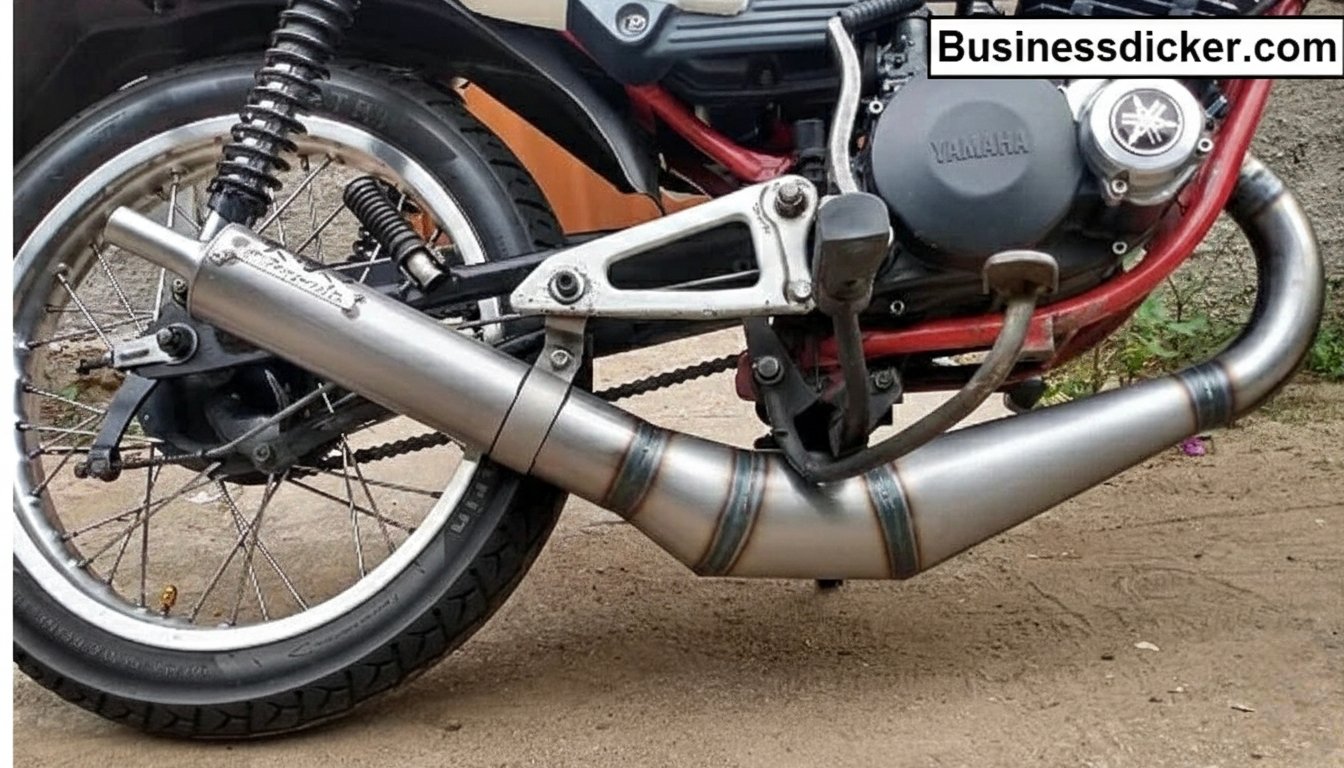
Escapamento RD has become a recognized name among motorcycle enthusiasts who care deeply about performance, sound quality, and visual appeal. In many riding communities, especially in markets where customization culture is strong, upgrading the exhaust system is one of the first modifications riders consider. Escapamento RD stands out because it balances aggressive styling with engineered performance, making it appealing to both daily riders and performance-focused motorcyclists.
What makes Escapamento RD particularly interesting is how it blends affordability with noticeable gains. Riders are not only chasing louder sound; they are looking for better throttle response, improved airflow, and a system that complements the overall character of the motorcycle. This article explores Escapamento RD in depth, explaining how it works, what benefits it offers, and how to choose the right model for your riding needs.
Will You Check This Article: How Detox IV Drips Cleanse & Recharge Your Body
Understanding What Escapamento RD Is
Escapamento RD refers to a range of aftermarket motorcycle exhaust systems designed to replace or enhance factory-installed exhausts. These systems are typically built with freer-flowing internal designs compared to stock exhausts, which are often restricted to meet strict noise and emission regulations. By reducing back pressure, Escapamento RD allows the engine to breathe more efficiently.
Unlike generic exhaust options, Escapamento RD systems are often tailored for specific motorcycle models or engine configurations. This model-specific approach helps ensure better fitment, optimized performance, and a cleaner installation process. Riders benefit from an exhaust that feels like a natural extension of the bike rather than an awkward add-on.
Performance Benefits of Escapamento RD
One of the main reasons riders choose Escapamento RD is performance improvement. A well-designed exhaust can improve exhaust gas flow, which directly affects engine efficiency. When gases exit the combustion chamber more smoothly, the engine can draw in fresh air-fuel mixture more effectively during the next cycle.
Many riders report noticeable gains in throttle response after installing Escapamento RD. Acceleration feels sharper, especially in low- to mid-range RPMs, which is where street motorcycles spend most of their time. While peak horsepower gains may vary depending on the bike and tuning, the overall riding experience often feels more responsive and engaging.
Sound Characteristics and Riding Experience
Sound is a defining feature of any exhaust upgrade, and Escapamento RD is known for producing a deep, sporty tone without being excessively harsh. Instead of a thin or raspy sound, these exhausts aim for a balanced exhaust note that enhances the motorcycle’s presence on the road.
For many riders, the improved sound is not just about volume but about feedback. A richer exhaust note can make riding more immersive, helping the rider feel more connected to the machine. Escapamento RD systems are often designed to maintain a comfortable cruising sound while delivering a more aggressive tone under acceleration.
Build Quality and Materials Used
The durability of an exhaust system is critical, especially for riders who use their motorcycles daily or ride in varying weather conditions. Escapamento RD typically uses materials such as stainless steel or coated metals that resist corrosion and heat damage. These materials help extend the life of the exhaust while maintaining its appearance.
Welding quality and finishing also play a significant role in long-term reliability. Smooth welds and well-finished joints reduce the risk of leaks and cracks over time. For riders, this translates into fewer maintenance concerns and more confidence in the exhaust’s performance.
Visual Impact and Motorcycle Aesthetics
Beyond performance and sound, Escapamento RD contributes significantly to the visual identity of a motorcycle. A sleek exhaust can transform the overall look of the bike, making it appear more aggressive, modern, or race-inspired. Many riders choose Escapamento RD specifically to enhance the bike’s rear profile.
The design language often includes compact mufflers, angled tips, or brushed metal finishes that complement both naked and sport-style motorcycles. This aesthetic upgrade can be just as satisfying as performance gains, especially for riders who value personalization.
Compatibility With Different Motorcycle Types
Escapamento RD systems are commonly available for a wide range of motorcycles, including street bikes, sport bikes, and commuter models. Compatibility depends on engine size, exhaust routing, and mounting points. Choosing the correct model ensures that the exhaust fits properly without requiring major modifications.
Riders should always verify compatibility before purchasing. A properly matched Escapamento RD system helps avoid issues such as improper clearance, excessive vibration, or poor exhaust alignment. This attention to compatibility contributes to a smoother installation and better overall results.
Installation Process and Practical Considerations
Installing an Escapamento RD exhaust can range from a simple bolt-on process to a more involved upgrade, depending on the motorcycle. Many systems are designed for straightforward installation using factory mounting points, making them accessible even for riders with basic mechanical skills.
However, proper installation is essential for safety and performance. Ensuring correct torque, alignment, and gasket placement prevents exhaust leaks and unwanted noise. Some riders also choose professional installation to guarantee optimal fitment and peace of mind.
Fuel Efficiency and Engine Tuning
A common question about aftermarket exhausts is how they affect fuel consumption. Escapamento RD can slightly improve or maintain fuel efficiency when paired with proper tuning, as improved airflow helps the engine operate more efficiently. However, without tuning, changes in air-fuel mixture may occur.
For optimal results, some riders choose to remap the ECU or adjust fuel settings after installing Escapamento RD. This step ensures that the engine fully benefits from the exhaust upgrade while maintaining reliability and smooth operation.
Legal and Noise Regulation Awareness
Noise regulations vary widely by region, and riders should always consider local laws before installing an aftermarket exhaust. Escapamento RD systems may be louder than stock exhausts, which can attract attention in areas with strict enforcement.
Responsible riders often look for models that balance sound enhancement with legal compliance. Being informed about local regulations helps avoid fines and ensures a more positive riding experience for both the rider and the community.
Maintenance and Long-Term Care
Maintaining an Escapamento RD exhaust is generally straightforward. Regular cleaning helps preserve the finish and prevents buildup of dirt or road grime. Inspecting mounting points and connections periodically ensures that everything remains secure.
Over time, heat cycles can loosen bolts or clamps, so occasional checks are recommended. With proper care, an Escapamento RD exhaust can provide years of reliable service and consistent performance.
Value for Money and Rider Satisfaction
One of the strongest appeals of Escapamento RD is its value proposition. Riders often find that it delivers noticeable improvements without the premium price tag associated with some high-end exhaust brands. This balance makes it accessible to a wide range of motorcyclists.
User satisfaction often comes from the combination of sound, performance, and appearance. When these elements align with rider expectations, Escapamento RD becomes a rewarding upgrade that enhances everyday riding enjoyment.
Conclusion
Escapamento RD represents more than just an exhaust replacement; it is a comprehensive upgrade that influences how a motorcycle feels, sounds, and looks. By improving airflow, enhancing sound quality, and adding visual appeal, it delivers a well-rounded riding experience. Riders who value responsiveness, personality, and customization often find Escapamento RD to be a practical and satisfying choice.
Whether used for daily commuting or spirited weekend rides, Escapamento RD can elevate the connection between rider and machine. With proper selection, installation, and maintenance, it becomes a long-term enhancement that reflects both performance goals and personal style.
FAQs
What is Escapamento RD best known for?
Escapamento RD is best known for offering a balance of improved performance, deeper exhaust sound, and attractive design at a competitive price point.
Does Escapamento RD increase motorcycle horsepower?
It can improve throttle response and overall efficiency, with horsepower gains depending on the motorcycle model and whether proper tuning is applied.
Is Escapamento RD suitable for daily riding?
Yes, many riders use Escapamento RD for daily commuting because it offers enhanced sound and performance without sacrificing comfort.
Do I need ECU tuning after installing Escapamento RD?
While not always mandatory, ECU tuning is recommended for optimal performance and to maintain correct air-fuel ratios.
Is Escapamento RD legal everywhere?
Legality depends on local noise and emission regulations, so riders should check regional laws before installation.

Introduction
In today’s fast-moving digital world, new names and concepts often appear and quickly gain attention. One such term is littleminaxo, which has started to spark curiosity across online platforms. Whether you discovered it through social media, search engines, or online discussions, understanding what it represents and why people are talking about it is important. This article explains the concept in simple English, explores its relevance, and shows why it matters in the modern digital landscape. By the end, you will have a clear understanding of its purpose, potential, and how it fits into today’s online ecosystem.
What Is Littleminaxo and Why Is It Gaining Attention?
The term littleminaxo is commonly associated with a unique online identity or digital presence that stands out due to its originality and memorable nature. In a crowded internet space, distinctive names often attract curiosity, and this is exactly what has happened here. People are drawn to it because it feels personal, creative, and easy to remember. As digital branding becomes more important than ever, having a recognizable name helps build trust and familiarity. This growing interest shows how users value authenticity and clear identity when exploring new platforms, creators, or communities online.
Will You Check This Article: Robthecoins Investing: A Complete Guide to Smarter and Safer Crypto Growth
The Importance of Unique Digital Identities
Why Names Matter Online
A strong digital identity begins with a name that resonates with users. Unique names help individuals and brands separate themselves from competitors while building emotional connections. When people see a name repeatedly across platforms, they start to associate it with certain values or content. This recognition plays a major role in long-term success. In the case of littleminaxo, its distinct sound and visual appeal make it easy to recall, which helps improve engagement. Memorable identities also increase sharing, helping content travel further without heavy promotion or advertising.
How Littleminaxo Fits Into Modern Online Culture
A Reflection of Digital Trends
Online culture today values creativity, relatability, and originality. Users want content and identities that feel real rather than overly corporate. The rise of littleminaxo reflects this shift. It aligns with the trend of building smaller, more personal brands that focus on community rather than mass marketing. People are more likely to trust and follow names that feel human and approachable. This cultural shift explains why such digital identities gain traction faster and maintain stronger engagement compared to generic or overly polished alternatives.
Content Strategy and Visibility Benefits
Building Reach Through Consistency
Consistency is one of the most powerful tools in digital growth. When a name like littleminaxo is used consistently across platforms, it strengthens brand recognition and search visibility. Search engines favor clarity and relevance, and consistent naming helps algorithms understand and categorize content better. Over time, this leads to improved rankings and discoverability. Additionally, consistent branding builds user trust, as audiences feel confident they are engaging with the same source wherever they find it. This steady approach supports long-term growth without relying on short-term trends.
Trust, Community, and Long-Term Value
Creating Meaningful Connections
Trust is the foundation of any successful online presence. Communities form around names that feel reliable and engaging. By focusing on quality interactions and clear communication, digital identities can build loyal audiences. Littleminaxo represents the idea that growth does not always require massive reach; instead, meaningful engagement matters more. When users feel heard and valued, they return and recommend the content to others. This organic growth strengthens credibility and ensures sustainability, even as online trends continue to change rapidly.
Conclusion
The rise of littleminaxo highlights the power of originality, clarity, and consistency in the digital world. As online spaces become more competitive, unique identities that focus on trust and genuine engagement stand out. By understanding its relevance and approach, readers can learn valuable lessons about building strong digital presences of their own. Whether you are a creator, entrepreneur, or curious user, this concept shows that success online is not just about visibility but about connection, reliability, and long-term value.
Frequently Asked Questions (FAQs)
1. What does littleminaxo represent online?
It represents a unique digital identity that focuses on originality and clear branding, helping it stand out in crowded online spaces.
2. Why is littleminaxo easy to remember?
The name is short, distinctive, and visually appealing, which makes it easier for users to recall and recognize across platforms.
3. Can littleminaxo help with online growth?
Yes, consistent use of a unique identity improves visibility, trust, and engagement, which supports steady and organic growth.
4. Is littleminaxo suitable for personal branding?
Absolutely. Its approachable and creative nature aligns well with modern personal branding strategies focused on authenticity.
5. How does littleminaxo build trust with audiences?
By maintaining consistency, clear communication, and meaningful engagement, it encourages long-term relationships with users.