
Lifestyle
Veneajelu Explained: A Complete Guide to Life on the Water

Introduction
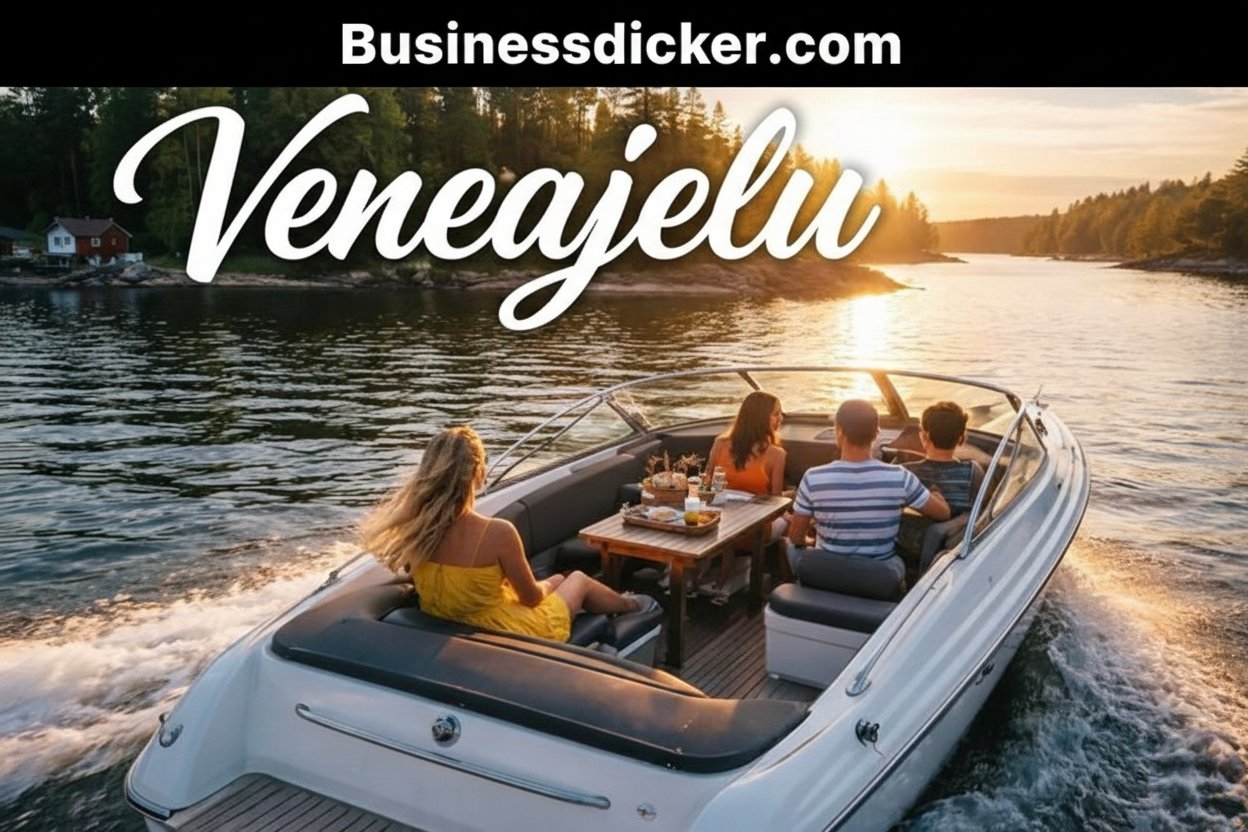
Veneajelu is more than just moving a boat across water—it’s an experience that blends freedom, skill, nature, and tradition into one deeply satisfying activity. Whether it’s a quiet afternoon on a calm lake or a lively journey along a coastal shoreline, veneajelu offers a unique way to disconnect from routine and reconnect with the environment. In many cultures, it represents leisure and joy, while for others it’s a practical way of life. This guide explores veneajelu from every angle, helping you understand what it is, why it matters, and how it fits into modern lifestyles.
By the end of this article, you’ll have a clear picture of veneajelu’s meaning, its cultural and practical value, safety essentials, environmental considerations, and how beginners and experienced boaters alike can enjoy it responsibly and confidently.
What Is Veneajelu?
At its core, veneajelu refers to recreational or practical boating—operating a boat for leisure, transport, or exploration. Unlike competitive sailing or commercial shipping, veneajelu focuses on personal enjoyment, relaxation, and connection with water environments.
Will You Check This Article: ConnectionCafe.com: A Modern Space for Meaningful Digital Connections
Veneajelu can take many forms. For some, it means slow cruising on inland lakes. For others, it’s about navigating rivers, archipelagos, or open seas. The defining feature isn’t the type of boat or water, but the intention behind the activity. It’s about being present, feeling the movement of water beneath the hull, and embracing the rhythm of the journey.
Veneajelu at a Glance
| Aspect | Description |
|---|---|
| Activity type | Recreational and practical boating |
| Typical locations | Lakes, rivers, coastal waters, archipelagos |
| Skill level | Beginner to advanced |
| Purpose | Leisure, transport, exploration, relaxation |
| Common seasons | Spring to autumn (varies by region) |
The Cultural and Historical Roots of Veneajelu
Veneajelu has deep historical roots, especially in regions rich in waterways. Long before modern roads, boats were essential for trade, fishing, and communication. Over time, practical boat travel evolved into leisure boating as societies modernized.
In Nordic countries, for example, veneajelu is closely tied to summer traditions. Families spend weeks traveling between islands, swimming, fishing, and enjoying long daylight hours. This cultural connection makes veneajelu feel less like a hobby and more like a seasonal ritual passed down through generations.
Elsewhere, veneajelu has shaped local economies and lifestyles. River communities, coastal towns, and island populations have long relied on boats not just for work, but also for social connection and celebration. Today’s veneajelu carries echoes of that history, even when practiced purely for fun.
Types of Veneajelu Experiences
Veneajelu isn’t limited to one style or purpose. Its versatility is part of its appeal, allowing people to tailor the experience to their interests and comfort levels.
Leisure and Relaxation
Many people associate veneajelu with calm, unhurried time on the water. Slow cruising, anchoring near scenic spots, and enjoying meals onboard are central to this approach. It’s about reducing stress and letting the water set the pace.
Adventure and Exploration
For others, veneajelu is a gateway to discovery. Navigating new routes, visiting remote islands, or exploring winding rivers adds a sense of adventure. This style often requires stronger navigation skills and a deeper understanding of weather and water conditions.
Practical and Everyday Use
In some regions, veneajelu remains a practical necessity. Boats are used for commuting, transporting goods, or accessing remote homes. Even here, the act of boating often carries an element of enjoyment and pride.
Boats Commonly Used in Veneajelu
The boat you choose shapes your veneajelu experience. Each type offers different advantages, depending on water conditions and personal goals.
Small motorboats are popular for lakes and short trips. They’re easy to handle and accessible for beginners. Sailboats appeal to those who enjoy skill-based boating and a quieter connection with nature. Larger cabin boats provide comfort for longer journeys, including sleeping and cooking facilities.
Inflatable boats and kayaks also fall under veneajelu for many enthusiasts. They offer simplicity and closeness to the water, often requiring minimal equipment and maintenance.
Essential Skills for Safe Veneajelu
Enjoying veneajelu responsibly means developing a set of core skills. These skills don’t require mastery from day one, but they grow naturally with experience.
Navigation is fundamental. Understanding maps, markers, and basic route planning helps avoid hazards. Boat handling skills, such as docking and maneuvering in tight spaces, build confidence and reduce stress.
Equally important is situational awareness. Observing weather changes, water traffic, and local conditions ensures smoother and safer trips. Over time, these skills become second nature, turning veneajelu into a relaxed and intuitive activity.
Safety Practices That Matter on the Water
Safety is an inseparable part of veneajelu. Even calm waters can change quickly, making preparation essential.
Life jackets should always be available and worn when conditions demand it. Clear communication among passengers helps prevent accidents, especially during docking or sudden maneuvers. Knowing basic emergency procedures, such as what to do if the engine fails or someone falls overboard, adds another layer of security.
Many experienced boaters say that good safety habits don’t limit enjoyment—they enhance it. When everyone feels secure, the focus naturally shifts back to the pleasure of being on the water.
Environmental Responsibility in Veneajelu
Modern veneajelu comes with a responsibility to protect waterways. Boats interact directly with delicate ecosystems, making mindful behavior crucial.
Reducing speed near shorelines helps prevent erosion and protects wildlife. Proper waste handling keeps waters clean and safe for future generations. Using fuel efficiently and maintaining engines reduces pollution and noise.
An increasing number of veneajelu enthusiasts see environmental care not as a burden, but as part of the experience. Respecting nature deepens the sense of connection that draws people to the water in the first place.
Veneajelu and Mental Well-Being
One often overlooked benefit of veneajelu is its positive impact on mental health. Time on the water naturally encourages slower thinking and deeper breathing. The gentle movement of a boat can have a calming effect, similar to meditation.
Many people find that veneajelu provides clarity and perspective. Away from constant notifications and crowded schedules, it becomes easier to reflect and recharge. This mental reset is one reason why veneajelu remains popular across age groups and lifestyles.
Learning Veneajelu as a Beginner
Starting veneajelu doesn’t require perfection or expensive equipment. Beginners benefit most from simple trips in familiar waters, gradually building confidence.
Learning from experienced boaters accelerates progress. Observing how they read conditions, handle challenges, and plan routes provides practical insights that no manual can fully convey. Over time, beginners develop their own style and preferences, making veneajelu a personal and rewarding journey.
How Veneajelu Fits into Modern Life
Despite busy schedules and digital demands, veneajelu continues to thrive. Flexible trip lengths make it accessible, whether it’s a short evening outing or a multi-day excursion. Advances in boat design and navigation tools have also made veneajelu more approachable.
At the same time, the essence of veneajelu remains unchanged. It still offers escape, discovery, and connection—values that feel increasingly important in modern life.
Conclusion
Veneajelu is a rich, multifaceted activity that combines tradition, enjoyment, and responsibility. From its historical roots to its modern expressions, it offers something for everyone—relaxation, adventure, or practical utility. By developing essential skills, respecting safety principles, and caring for the environment, anyone can experience veneajelu in a meaningful way.
More than a pastime, veneajelu is a mindset. It invites you to slow down, pay attention, and find joy in movement across water. Whether you’re just starting or returning to familiar routes, the water always has something new to offer.
Frequently Asked Questions (FAQs)
What does veneajelu mean?
Veneajelu refers to recreational or practical boating, focusing on enjoyment, transport, or exploration on water.
Do I need experience to start veneajelu?
No prior experience is required. Beginners can start with calm waters and simple boats while learning gradually.
Is veneajelu only a summer activity?
While most people enjoy veneajelu in warmer months, some regions support boating year-round with proper preparation.
What kind of boat is best for veneajelu?
The best boat depends on your goals, water conditions, and comfort level, ranging from small motorboats to sailboats.
How can veneajelu be environmentally friendly?
By respecting speed limits, managing waste properly, and maintaining equipment, veneajelu can minimize its impact on nature.